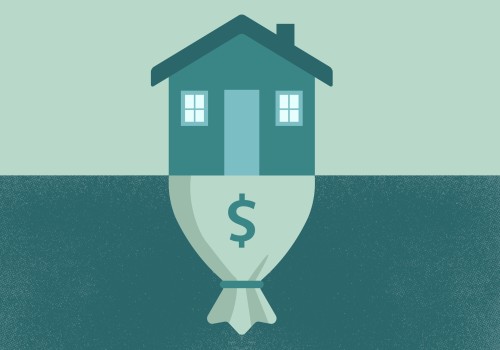
Cash out refinancing is a financial strategy that allows homeowners to tap into the equity they have built in their property. Essentially, it involves replacing your existing mortgage with a new loan that has a higher balance than what you currently owe. The difference between the two amounts is then disbursed to you in cash, which can be used for various purposes, including purchasing a new home, funding renovations, or consolidating debt. This process can be particularly appealing for those looking to leverage their home’s value without having to sell it.Understanding how a cash out home loan works is crucial for homeowners considering this option.
When you refinance your mortgage, you are essentially taking out a new loan that pays off your existing mortgage. The new loan amount can be up to 80% of your home’s appraised value, depending on the lender's policies and your financial situation. This means that if your home is worth $300,000 and you owe $200,000, you could potentially refinance for up to $240,000, giving you access to $40,000 in cash.However, while cash out refinancing can provide immediate financial relief or investment opportunities, it’s important to consider the long-term implications. By increasing your mortgage balance, you may face higher monthly payments and extended loan terms.
Additionally, the closing costs associated with refinancing can range from 2% to 5% of the loan amount, which is an essential factor to weigh against the benefits of accessing cash. Therefore, before proceeding with a cash out refinance, homeowners should carefully evaluate their financial goals and consult with a mortgage professional to ensure they are making an informed decision.
How Cash Out Refinancing Works
Understanding how a cash out refinance works is essential for homeowners looking to leverage their property’s equity. This financial strategy allows you to replace your existing mortgage with a new one that has a higher balance, enabling you to withdraw the difference in cash. Here’s a breakdown of the process and what you need to know.Application Process
- Gather Documentation: Before applying, collect necessary documents such as your current mortgage statement, proof of income, tax returns, and details about your property.
Lenders will require this information to assess your financial situation.
- Check Your Credit Score: A good credit score is crucial for securing favorable terms on your cash out refinance. Aim for a score of at least 620, although higher scores can lead to better interest rates.
- Shop Around for Lenders: Different lenders offer varying rates and terms. It’s wise to compare offers from multiple institutions to find the best deal that suits your needs.
- Submit Your Application: Once you’ve chosen a lender, submit your application along with the required documentation. The lender will review your financial profile and property value.
- Loan Processing and Underwriting: After submission, the lender will process your application, which includes verifying your information and conducting an appraisal of your home to determine its current market value.
- Closing: If approved, you’ll receive a closing disclosure detailing the loan terms and costs.
At closing, you’ll sign the necessary documents and receive your cash payout.
Eligibility Requirements
To qualify for a cash out refinance, homeowners typically need to meet certain criteria:
- Equity in Your Home: Most lenders require that you have at least 20% equity in your home. This means that the amount you owe on your mortgage should be less than 80% of your home’s appraised value.
- Debt-to-Income Ratio: Lenders will evaluate your debt-to-income (DTI) ratio, which should ideally be below 43%. This ratio helps lenders determine if you can manage additional debt.
- Stable Income: A steady income source is vital. Lenders prefer borrowers with consistent employment history and income stability.
Accessing Equity
The primary advantage of a cash out refinance is accessing the equity built up in your home.
This can provide funds for various purposes such as home renovations, debt consolidation, or even purchasing another property. However, it’s important to consider that this option resets the term of your mortgage and may increase monthly payments.In summary, a cash out refinance can be an effective way to tap into your home’s equity, but it requires careful consideration of the application process and eligibility requirements. By understanding these mechanics, homeowners can make informed decisions about leveraging their property for financial gain.
Benefits of Using a Cash Out Refinance to Buy a House
Utilizing a cash out refinance to purchase a new home can offer several significant advantages that make it an appealing option for many homeowners. Here are some of the key benefits:- Lower Interest Rates: One of the primary advantages of a cash out refinance is the potential for lower interest rates compared to other forms of borrowing, such as personal loans or credit cards.
Mortgage rates are generally more favorable, which can lead to substantial savings over time.
- Access to Cash: A cash out refinance allows homeowners to tap into their home equity, providing them with a lump sum of cash that can be used for various purposes, including making a down payment on a new property. This access to funds can be crucial in competitive real estate markets where quick action is necessary.
- Tax Benefits: Interest paid on mortgage loans, including cash out refinances, may be tax-deductible. This can provide significant savings during tax season, making the overall cost of borrowing more manageable. However, it’s essential to consult with a tax professional to understand how these benefits apply to your specific situation.
- Streamlined Process: The process of obtaining a cash out refinance is often quicker and more straightforward than applying for a separate loan.
Homeowners can leverage their existing mortgage relationship with their lender, which may expedite approval and funding times.
- Potential for Increased Property Value: By using the funds from a cash out refinance to invest in renovations or improvements on the new property, homeowners can potentially increase its value. This not only enhances their living space but also contributes to building equity over time.
- Flexibility in Use of Funds: Unlike some loans that may have restrictions on how the money can be used, cash out refinance funds can be utilized for various purposes beyond just purchasing a new home. This flexibility allows homeowners to address multiple financial needs simultaneously.
Potential Risks and Considerations
While a cash out refinance can provide immediate access to funds, it is essential to weigh the potential risks and considerations before proceeding.Understanding these factors can help homeowners make informed decisions that align with their long-term financial goals.
Increased Monthly Payments
One of the most significant risks associated with a cash out refinance is the potential for increased monthly mortgage payments. When you refinance your existing mortgage and take out additional cash, you are essentially increasing the total amount borrowed. This can lead to higher monthly payments, which may strain your budget. Homeowners should carefully assess their financial situation to ensure they can comfortably manage these new payments.
Impact on Long-Term Financial Stability
Another critical consideration is the impact on long-term financial stability.
By opting for a cash out refinance, you may be extending the term of your mortgage, which can result in paying more interest over time. This could hinder your ability to build equity in your home and affect your overall financial health. It’s crucial to evaluate how this decision fits into your long-term financial plan.
Market Fluctuations
The real estate market can be unpredictable. If property values decline after you have taken out a cash out refinance, you may find yourself owing more than your home is worth, a situation known as being "underwater" on your mortgage.
This can limit your options if you need to sell or refinance again in the future.
Closing Costs and Fees
Cash out refinancing typically involves various closing costs and fees, which can range from 2% to 5% of the loan amount. These costs can add up quickly and should be factored into your decision-making process. Homeowners should request a detailed breakdown of all fees associated with the refinance to avoid any surprises at closing.
Potential for Foreclosure
If you are unable to keep up with the increased payments resulting from a cash out refinance, you risk foreclosure on your home. This is particularly concerning for those who may already be facing financial challenges.
It’s vital to consider whether taking on additional debt is a responsible choice given your current circumstances.
Conclusion
In summary, while a cash out refinance can provide valuable funds for purchasing a new home or making improvements, it is not without its risks. Homeowners should carefully evaluate their financial situation, consider potential market fluctuations, and understand the implications of increased monthly payments before proceeding with this option.
Using Cash Out Refinance for Down Payments on New Properties
Homeowners looking to expand their real estate portfolio often consider a cash out refinance as a viable option for funding the down payment on a new property. This financial strategy allows you to tap into the equity built up in your current home, providing you with the necessary capital to make a purchase without needing to save for an extended period.When you opt for a cash out refinance, you essentially replace your existing mortgage with a new one that has a higher balance. The difference between the two amounts is disbursed to you in cash, which can then be used as a down payment on another home.Here are some practical steps and considerations to keep in mind:
- Assess Your Equity: Before proceeding, evaluate how much equity you have in your home. This is typically calculated by subtracting your remaining mortgage balance from your home's current market value. Most lenders allow you to borrow up to 80% of your home’s equity.
- Understand the Costs: While a cash out refinance can provide immediate funds, it’s essential to consider the associated costs. Closing costs can range from 2% to 5% of the loan amount, which may impact your overall financial strategy.
- Determine Your Budget: Calculate how much you can afford for a new property.
This includes not only the down payment but also ongoing costs such as property taxes, insurance, and maintenance.
- Shop Around for Lenders: Different lenders offer varying terms and interest rates for cash out refinances. It’s wise to compare offers from multiple institutions to find the best deal that suits your financial situation.
- Consider Your Long-Term Goals: Think about how this investment fits into your overall financial plan. Are you looking for rental income, or is this property intended for personal use? Understanding your goals will help guide your decision-making process.
By doing so, you can leverage your existing assets to build wealth through real estate.
Comparing Cash Out Refinance with Other Financing Options
When considering financing options for purchasing a home, it’s essential to evaluate the various methods available, particularly cash out refinancing, home equity lines of credit (HELOC), and personal loans. Each option has its unique advantages and disadvantages, making it crucial to understand how they compare to one another.Cash Out Refinance
A cash out refinance allows homeowners to tap into their home’s equity by refinancing their existing mortgage for more than they owe. The difference is given to the homeowner in cash, which can be used for various purposes, including making a down payment on a new property. This option typically offers lower interest rates compared to other forms of borrowing because it is secured by the home itself.Home Equity Line of Credit (HELOC)
A HELOC is another popular option for accessing home equity.It functions like a credit card, allowing homeowners to borrow against their equity as needed, up to a predetermined limit. The interest rates on HELOCs are usually variable, which means they can fluctuate over time. One significant advantage of a HELOC is its flexibility; homeowners can withdraw funds as needed and only pay interest on the amount borrowed. However, this can also lead to potential risks if not managed carefully.
Personal Loans
Personal loans are unsecured loans that can be used for various purposes, including home purchases.Unlike cash out refinancing or HELOCs, personal loans do not require collateral, which makes them accessible but often comes with higher interest rates. They are typically easier and quicker to obtain than other financing options but may not provide as much funding as a cash out refinance or HELOC.
Comparative Analysis
- Interest Rates: Cash out refinances generally offer lower rates compared to personal loans and HELOCs due to being secured by the property.
- Access to Funds: A cash out refinance provides a lump sum upfront, while a HELOC offers ongoing access to funds as needed.
- Repayment Terms: Personal loans usually have fixed repayment terms, whereas HELOCs may have variable terms that can change over time.
- Risk Factors: Both cash out refinances and HELOCs put your home at risk if you default on payments, while personal loans do not involve collateral.
Frequently Asked Questions about Cash Out Refinancing
When considering a cash out refinance, many homeowners have questions about the process, benefits, and potential drawbacks. Here are some of the most frequently asked questions regarding cash out home loans:What is a cash out refinance?
A cash out refinance is a financial transaction where you replace your existing mortgage with a new one that has a higher loan amount.The difference between the old mortgage balance and the new loan amount is given to you in cash, which you can use for various purposes, such as buying a new home or funding renovations.
How much cash can I get from a cash out refinance?
The amount of cash you can withdraw typically depends on your home’s equity. Most lenders allow you to borrow up to 80% of your home’s appraised value, minus what you owe on your current mortgage. For example, if your home is worth $300,000 and you owe $200,000, you could potentially access up to $40,000 in cash.Are there any fees associated with cash out refinancing?
Yes, there are several fees involved in a cash out refinance. These may include:- Loan origination fees
- Appraisal fees
- Title search fees
- Attorney's fees
- Prepaid interest and property taxes
Will a cash out refinance affect my credit score?
A cash out refinance can impact your credit score in several ways.Initially, applying for a new loan may result in a hard inquiry on your credit report, which can temporarily lower your score. However, if you manage your new mortgage responsibly by making timely payments, it can positively affect your credit over time.
Can I use cash from a refinance to buy another home?
Absolutely! Many homeowners utilize the funds from a cash out refinance as a down payment on a second home or investment property. This strategy allows for quicker access to capital compared to traditional savings methods.What are the risks of cash out refinancing?
While there are benefits to cash out refinancing, it’s crucial to be aware of the risks:- Increased monthly payments: Since you're taking on more debt, your monthly mortgage payments will likely increase.
- Potential for foreclosure: If you fail to make payments on the new loan, you risk losing your home.
- Resetting the mortgage clock: A cash out refinance typically resets the term of your mortgage, which may extend the time it takes to pay off your home.
Conclusion: Is Cash Out Refinancing Right for You?
In conclusion, utilizing a cash out home loan to purchase a house can be a strategic financial move for many homeowners and investors. However, it is essential to weigh the benefits against the potential drawbacks before making a decision.One of the primary advantages of a cash out refinance is the ability to access significant funds quickly.This can be particularly beneficial for those looking to make a down payment on a new property or even purchase a home outright. By leveraging the equity in your current home, you can secure the necessary capital without needing to take on additional debt through other means.However, it’s crucial to consider the implications of this financial decision. A cash out refinance will reset your mortgage term, which may lead to higher monthly payments and increased interest costs over time. Additionally, closing costs associated with refinancing can range from 2% to 5% of the loan amount, which is an important factor to include in your calculations.Moreover, while cash out refinancing can provide immediate liquidity, it also comes with risks.
If you are unable to keep up with your mortgage payments, you could jeopardize both your current home and any new property purchased with those funds. Therefore, it is vital to assess your financial stability and long-term goals before proceeding.Ultimately, whether a cash out refinance is right for you depends on your individual circumstances. If you have a solid plan for how to use the funds and are confident in your ability to manage increased mortgage payments, this option could be advantageous. On the other hand, if you are uncertain about your financial future or are already stretched thin with existing debts, it may be wise to explore alternative financing options.In summary, a cash out refinance can be an effective tool for buying a house when used judiciously.
By carefully evaluating your financial situation and consulting with a mortgage professional, you can make an informed decision that aligns with your homeownership goals.