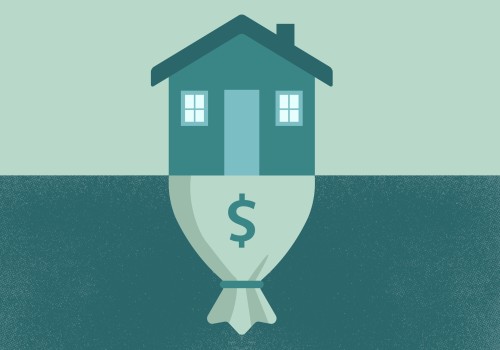
Home equity is a term that refers to the portion of your home that you truly own, calculated as the difference between your home's current market value and the outstanding balance on your mortgage. As homeowners make monthly mortgage payments, they gradually build equity in their property. Additionally, if the value of the home appreciates over time, this can further increase the equity. Understanding home equity is essential for homeowners, as it represents a significant financial asset that can be leveraged for various purposes.So, how does home equity work? When you purchase a home, you typically make a down payment and take out a mortgage to cover the remaining cost.
As you pay down your mortgage, your ownership stake in the property increases. For instance, if you bought a home for $300,000 and have paid off $100,000 of your mortgage, your home equity would be $100,000. This equity can be accessed through various financial products, such as cash-out refinancing or home equity loans, allowing homeowners to tap into their investment for expenses like home renovations, debt consolidation, or education costs.The significance of understanding what home equity is cannot be overstated. It not only provides financial flexibility but also serves as a safety net in times of need.
Homeowners can utilize their equity to fund major life events or unexpected expenses without resorting to high-interest loans or credit cards. Moreover, as property values fluctuate in the real estate market, being aware of your home's equity can help you make informed decisions about selling or refinancing your property.In summary, grasping the concept of home equity is crucial for any homeowner looking to maximize their financial potential. It opens up opportunities for leveraging one of your most significant assets and can play a pivotal role in achieving long-term financial goals.
What is a Cash Out Refinance?
A cash out refinance is a financial strategy that allows homeowners to tap into the equity they have built up in their property. This process involves replacing your existing mortgage with a new one that has a higher balance than what you currently owe.The difference between the two amounts is then disbursed to you in cash, which can be used for various purposes such as home improvements, debt consolidation, or other significant expenses.To understand how a cash out refinance works, it’s essential to grasp the basic mechanics involved:
- Application Process: Homeowners begin by applying for a new mortgage through a lender. This process typically requires documentation of income, credit history, and an appraisal of the home to determine its current market value.
- Loan Approval: Once the application is submitted, the lender will assess your financial situation and the value of your home. If approved, you will receive a loan offer detailing the new mortgage terms.
- Closing: After accepting the loan offer, you will go through a closing process similar to when you first purchased your home. This includes signing documents and paying any applicable closing costs.
- Receiving Cash: After closing, the lender pays off your existing mortgage and provides you with the cash difference between the new loan amount and your previous mortgage balance.
- Lower Interest Rates: Cash out refinances often come with lower interest rates compared to other forms of borrowing, such as personal loans or credit cards.
This can lead to significant savings over time.
- Single Monthly Payment: By refinancing your existing mortgage, you consolidate your debts into one monthly payment rather than juggling multiple payments from different loans.
- Tax Benefits: In many cases, the interest paid on a cash out refinance may be tax-deductible if the funds are used for home improvements or other qualifying expenses.
- Access to Large Sums of Money: Homeowners can access substantial amounts of cash based on their home equity, making it an attractive option for those needing significant funds for major projects or investments.
What is a Home Equity Loan?
A home equity loan is a financial product that allows homeowners to borrow against the equity they have built up in their property. Essentially, it is a second mortgage that provides a lump sum of cash, which can be used for various purposes such as home improvements, debt consolidation, or major purchases.Unlike a cash-out refinance, which replaces your existing mortgage with a new one that has a larger balance, a home equity loan operates alongside your primary mortgage, resulting in two separate monthly payments.To qualify for a home equity loan, homeowners typically need to have at least 15% to 20% equity in their home. This means that the amount owed on the original mortgage should be significantly less than the current market value of the property. Lenders will assess your creditworthiness, income, and overall financial situation before approving the loan.
Benefits of Home Equity Loans
- Fixed Interest Rates: Most home equity loans come with fixed interest rates, which means your monthly payments remain consistent throughout the life of the loan. This predictability can be beneficial for budgeting and financial planning.
- Lower Closing Costs: Compared to cash-out refinancing, home equity loans often have lower closing costs.
Some lenders may even waive these fees entirely, making it a more affordable option for accessing funds.
- No Change to Original Mortgage: Since a home equity loan is an additional loan rather than a replacement of your existing mortgage, you can maintain the favorable terms of your original mortgage. This is particularly advantageous if you secured a low interest rate on your primary mortgage.
- Access to Large Sums: Home equity loans typically allow you to borrow a significant amount—often up to 80% of your home’s value—providing you with substantial cash for your needs.
- Potential Tax Benefits: In some cases, the interest paid on a home equity loan may be tax-deductible if the funds are used for home improvements or other qualifying expenses. However, it’s essential to consult with a tax professional to understand your specific situation.
However, it’s crucial to carefully consider your financial situation and long-term goals before deciding if this option aligns with your needs.
Key Differences Between Cash Out Refinance and Home Equity Loans
When considering how to access the equity in your home, understanding the key differences between a cash-out refinance and a home equity loan is essential. Both options provide homeowners with the ability to tap into their home’s value, but they do so in distinct ways that can significantly impact your financial situation.Interest Rates
One of the most notable differences lies in the interest rates associated with each option. Typically, a cash-out refinance offers lower interest rates compared to home equity loans. This is because a cash-out refinance replaces your existing mortgage with a new one, often at a lower rate, especially if market conditions are favorable.
In contrast, home equity loans usually come with higher interest rates since they are considered second mortgages and carry more risk for lenders.
Payment Structures
The payment structure is another critical factor to consider. A cash-out refinance consolidates your existing mortgage and the additional amount you wish to borrow into one monthly payment. This can simplify budgeting and financial management. On the other hand, a home equity loan adds a second monthly payment to your financial obligations, which can complicate your budget and increase your overall debt load.
Closing Costs
When it comes to closing costs, cash-out refinances generally incur higher fees than home equity loans.
This is due to the comprehensive nature of refinancing, which involves appraisals, title searches, and other associated costs. Home equity loans often have lower closing costs, and some lenders may even waive them entirely, making them an attractive option for those looking to minimize upfront expenses.
Tax Implications
Tax implications also differ between these two options. Interest on both cash-out refinances and home equity loans may be tax-deductible; however, this is contingent upon how you use the funds. For instance, if you use a home equity loan for purposes other than buying, building, or substantially improving your home, you may not qualify for the deduction.
In contrast, cash-out refinancing can provide more flexibility in terms of fund usage while still allowing for potential tax benefits.In summary, while both cash-out refinancing and home equity loans allow homeowners to leverage their property’s equity, they differ significantly in terms of interest rates, payment structures, closing costs, and tax implications. Evaluating these factors carefully will help you make an informed decision that aligns with your financial goals.
Pros and Cons of Cash Out Refinancing
When considering a cash out refinance, it’s essential to evaluate both the advantages and disadvantages to make an informed decision. This financial strategy can be beneficial for many homeowners, but it also comes with its own set of challenges.Advantages of Cash Out Refinancing
- Access to Cash: One of the most significant benefits is the ability to access a substantial amount of cash. Homeowners can tap into their home equity to fund major expenses such as home renovations, debt consolidation, or even education costs.
- Lower Interest Rates: Cash out refinancing often comes with lower interest rates compared to other forms of borrowing, such as personal loans or credit cards.
This can lead to significant savings over time.
- Single Monthly Payment: By replacing your existing mortgage with a new one, you consolidate your debts into a single monthly payment, simplifying your financial management.
- Potential Tax Benefits: In some cases, the interest on a cash-out refinance may be tax-deductible if the funds are used for home improvements, making it a potentially tax-efficient way to borrow.
- Improved Property Value: The cash obtained can be used for renovations that increase your home’s value, potentially leading to greater equity in the long run.
Disadvantages of Cash Out Refinancing
- Increased Debt: While accessing cash can be beneficial, it also means increasing your overall debt load. This could lead to financial strain if not managed properly.
- Closing Costs: Cash out refinancing typically involves closing costs that can be substantial. These costs can offset some of the financial benefits gained from accessing cash.
- Risk of Foreclosure: Since a cash-out refinance is secured by your home, failing to make payments could put you at risk of foreclosure, which is a significant concern for many homeowners.
- Potential for Higher Monthly Payments: Depending on the terms of the new mortgage, monthly payments may increase, especially if you are borrowing more than your previous mortgage balance.
- Mortgage Insurance Requirements: If your new loan exceeds 80% of your home’s value, you may be required to pay for private mortgage insurance (PMI), adding another cost to your monthly expenses.
Pros and Cons of Home Equity Loans
When considering a home equity loan, it’s essential to weigh the pros and cons to determine if this financial product aligns with your needs and goals.Below are some key advantages and disadvantages of home equity loans that potential borrowers should consider.
Advantages of Home Equity Loans
- Access to Cash: Home equity loans provide a lump sum of cash that can be used for various purposes, such as home renovations, debt consolidation, or major purchases. This can be particularly beneficial for homeowners looking to leverage their property’s value.
- Fixed Interest Rates: Most home equity loans come with fixed interest rates, which means your monthly payments remain consistent throughout the loan term. This predictability can help with budgeting and financial planning.
- Potential Tax Benefits: In some cases, the interest paid on a home equity loan may be tax-deductible, especially if the funds are used for home improvements. However, it’s crucial to consult a tax professional to understand your specific situation.
- No Impact on Current Mortgage: A home equity loan is a second mortgage, meaning it does not affect your existing mortgage terms.
This can be advantageous if you have a favorable interest rate on your primary mortgage.
- Quick Access to Funds: The application process for home equity loans is generally straightforward, allowing homeowners to access funds relatively quickly after approval.
Disadvantages of Home Equity Loans
- Additional Monthly Payments: Since a home equity loan is a second mortgage, borrowers will have two monthly payments to manage. This can strain budgets, especially if financial circumstances change.
- Risk of Foreclosure: Like any secured loan, failing to make payments on a home equity loan can lead to foreclosure. Borrowers must ensure they can meet their repayment obligations.
- Higher Interest Rates: Home equity loans often come with higher interest rates compared to first mortgages. This could result in higher overall borrowing costs.
- Fees and Closing Costs: While some lenders may offer no-closing-cost options, many home equity loans still involve fees that can add up.
Borrowers should factor these costs into their decision-making process.
- Limited Borrowing Amount: Lenders typically allow you to borrow only up to 80% of your home’s equity. This limitation may not meet the financial needs of all borrowers.
Factors to Consider When Choosing Between Cash Out Refinance and Home Equity Loan
When deciding between a cash out refinance and a home equity loan, several critical factors come into play that can significantly influence your choice. Understanding these factors can help you make an informed decision that aligns with your financial goals and circumstances.1.Financial Situation
Your current financial status is one of the most important considerations.Assess your existing mortgage balance, interest rates, and overall debt-to-income ratio. If you have a low-interest rate on your current mortgage, a cash out refinance might not be the best option, as it could lead to a higher rate. Conversely, if you have significant equity in your home and need cash for expenses like home improvements or debt consolidation, a home equity loan could be more beneficial.
2.Long-Term Goals
Consider your long-term financial objectives. Are you planning to stay in your home for many years, or do you anticipate moving soon? A cash out refinance typically involves a longer commitment due to the new mortgage terms, while a home equity loan may offer more flexibility with shorter repayment periods.If you plan to sell your home in the near future, a home equity loan might be preferable as it allows you to maintain your existing mortgage terms.
3.Interest Rates
The prevailing interest rates in the market can also impact your decision. Cash out refinances often come with lower interest rates compared to home equity loans, making them an attractive option if rates are favorable. However, if rates are rising, locking in a lower rate with a cash out refinance could save you money over time.4.Closing Costs
Both options come with associated closing costs, but these can vary significantly. Cash out refinances typically have higher closing costs compared to home equity loans.If minimizing upfront costs is essential for you, consider the total cost of borrowing over the life of the loan versus the immediate expenses involved.
5.Tax Implications
Understanding the tax implications of each option is crucial. Interest on home equity loans may only be deductible if the funds are used for substantial improvements to the property. In contrast, cash out refinancing may allow for more flexible use of funds while still providing potential tax benefits. Consult with a tax professional to understand how each option affects your tax situation.Ultimately, choosing between a cash out refinance and a home equity loan requires careful consideration of these factors.By evaluating your financial situation, long-term goals, interest rates, closing costs, and tax implications, you can make a decision that best suits your needs.
Frequently Asked Questions (FAQs)
When considering a cash out home loan or a home equity loan, homeowners often have numerous questions. Below are some of the most frequently asked questions that can help clarify the differences and benefits of each option.What is a cash-out refinance?
A cash-out refinance is a mortgage option that allows homeowners to replace their existing mortgage with a new one that has a higher balance. The difference between the old and new mortgage amounts is given to the homeowner in cash. This can be an effective way to access equity for various needs, such as home improvements, debt consolidation, or other financial goals.How does a home equity loan work?
A home equity loan, often referred to as a second mortgage, allows homeowners to borrow against the equity they have built up in their property.Unlike a cash-out refinance, this loan does not replace the original mortgage but adds an additional payment. Homeowners receive a lump sum of cash upfront, which they repay over time with fixed monthly payments.
What are the main differences between cash-out refinancing and home equity loans?
- Payment Structure: A cash-out refinance replaces your existing mortgage, while a home equity loan adds an additional payment.
- Interest Rates: Cash-out refinances typically offer lower interest rates compared to home equity loans.
- Closing Costs: Cash-out refinances may have higher closing costs than home equity loans, although some lenders may cover these costs for home equity loans.
Is it possible to get tax deductions on interest paid?
The tax implications can vary based on how you use the funds. For both cash-out refinances and home equity loans, interest may be tax-deductible if the money is used for substantial improvements to your home. However, it’s essential to consult with a tax professional for personalized advice.What are the risks associated with these options?
Both options involve using your home as collateral, which means failing to make payments could lead to foreclosure.Additionally, taking on more debt can strain your finances if not managed properly. It’s crucial to assess your financial situation and long-term goals before proceeding with either option.
How do I decide which option is best for me?
Your choice between a cash out home loan and a home equity loan should depend on factors such as your current mortgage rate, how much equity you have in your home, your financial needs, and your long-term plans. Consulting with a financial advisor or mortgage professional can provide tailored guidance based on your unique circumstances.Conclusion: Making the Right Choice for Your Financial Future
In conclusion, choosing between a cash out home loan and a home equity loan is a significant decision that can impact your financial future. Both options provide homeowners with the opportunity to leverage the equity built in their homes, but they come with distinct features, benefits, and drawbacks that must be carefully considered.Throughout this article, we have explored the fundamental differences between these two financing methods.A cash out refinance allows you to replace your existing mortgage with a new one that has a higher balance, effectively giving you access to cash while potentially lowering your interest rate. This option simplifies your payments into one monthly obligation, which can be advantageous for budgeting.On the other hand, a home equity loan acts as a second mortgage, providing you with a lump sum of cash while maintaining your original mortgage. This can be beneficial if you are satisfied with your current mortgage terms and want to avoid the complexities of refinancing. However, it does mean managing two separate payments, which could strain your finances if not planned properly.When deciding which option is best for you, consider the following factors:
- Your current mortgage rate: If your existing rate is low, a home equity loan might be more appealing.
- Your financial needs: Assess how much cash you need and how you plan to use it.
- Your long-term plans: Consider how long you intend to stay in your home and how each option aligns with those plans.
- Interest rates: Compare current rates for both options to determine which is more cost-effective.
It is advisable to consult with a financial advisor or mortgage professional who can provide personalized guidance based on your circumstances. By taking the time to evaluate both options thoroughly, you can make an informed decision that supports your financial well-being and future aspirations.