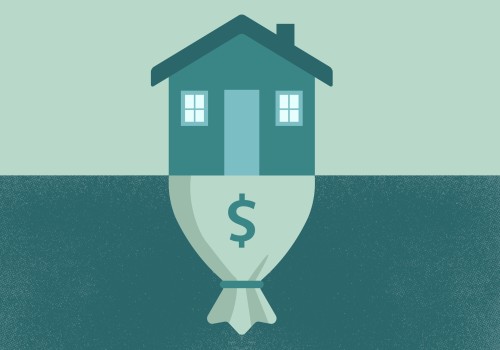
In today's ever-evolving financial landscape, homeowners are increasingly seeking ways to leverage their property investments. One of the most effective methods to achieve this is through cash out refinancing. This financial strategy allows homeowners to tap into the equity they have built up in their homes over the years, providing them with a significant cash infusion that can be used for various purposes. Whether it's funding home renovations, consolidating high-interest debt, or investing in other opportunities, a cash out home loan can serve as a powerful tool for financial empowerment.At its core, cash out refinancing involves replacing your existing mortgage with a new loan that is larger than the amount you currently owe.
The difference between the two loans is disbursed to you in cash at closing, giving you immediate access to funds. This process not only allows you to access your home equity but can also potentially lower your interest rate or adjust the terms of your mortgage. As homeowners navigate through various financial challenges and opportunities, understanding how cash out refinancing works becomes essential.Moreover, with interest rates fluctuating and housing markets shifting, many homeowners are finding themselves in a position where cash out refinancing makes more sense than ever. It offers a unique opportunity to not only improve one's financial situation but also to invest back into the home itself or other ventures that could yield higher returns.
However, like any financial decision, it is crucial to weigh the benefits against potential drawbacks and understand how this option fits into your overall financial strategy.
How Cash Out Refinancing Works
Understanding how cash out refinancing works is essential for homeowners looking to leverage their home equity. The process involves several key steps, from application to closing, and knowing what to expect can help you navigate it more smoothly.1.Application Process
- The first step in the cash out refinance process is to apply with a lender. You will need to provide personal information, including your income, credit score, and details about your current mortgage.
- Gather necessary documentation such as tax returns, pay stubs, and bank statements. This information helps the lender assess your financial situation and determine how much equity you can access.
- Once your application is submitted, the lender will conduct a preliminary review of your financial profile and the value of your home.
2.Home Appraisal
- A home appraisal is typically required to establish the current market value of your property.
This step is crucial as it determines how much equity you can tap into.
- The appraiser will evaluate your home’s condition, location, and comparable properties in the area to arrive at a fair market value.
3.Loan Approval
- If your application meets the lender's criteria and the appraisal confirms sufficient equity, you will receive a loan approval. This approval will outline the terms of your new mortgage, including interest rates and repayment terms.
- At this stage, you may also receive a Good Faith Estimate (GFE) that details estimated closing costs associated with the refinance.
4.Closing Process
- The final step is closing, where you will sign all necessary documents to finalize the loan. During this meeting, you will also pay any closing costs that may apply.
- Once everything is signed and processed, the lender will disburse the cash difference between your new loan amount and your existing mortgage balance. This cash can be used for various purposes such as home improvements or debt consolidation.
By preparing adequately and knowing what to expect at each stage, you can maximize the benefits of this financial strategy.
Benefits of Cash Out Refinancing
Opting for a cash out refinance can provide homeowners with a multitude of benefits, making it an attractive financial strategy for many. Here are some of the key advantages associated with this type of loan:- Access to Cash: One of the most significant benefits of a cash out home loan is the ability to access a substantial amount of cash. Homeowners can tap into their home equity, which can be used for various purposes, such as funding major expenses or investments.
- Home Improvements: Many homeowners choose to use the cash obtained from refinancing to make improvements to their property. Renovations can increase the value of your home, making it a wise investment.
Whether it’s updating a kitchen, adding a bathroom, or enhancing curb appeal, these upgrades can yield a high return on investment.
- Debt Consolidation: Cash out refinancing can be an effective way to consolidate high-interest debt. By using the funds to pay off credit cards or personal loans, homeowners can potentially lower their overall interest rates and simplify their monthly payments. This strategy not only reduces financial stress but also helps in managing debt more effectively.
- Investment Opportunities: The cash received from a cash out refinance can also be utilized for investment purposes. Whether you’re looking to invest in stocks, real estate, or other ventures, having additional capital can open up new avenues for wealth generation.
- Tax Benefits: In some cases, the interest paid on a cash out refinance may be tax-deductible if the funds are used for home improvements.
This potential tax advantage can further enhance the financial benefits of this refinancing option.
- Lower Interest Rates: If current mortgage rates are lower than your existing rate, refinancing with a cash out option may allow you to secure a better interest rate while accessing your equity. This could lead to lower monthly payments and significant savings over time.
Drawbacks and Risks of Cash Out Refinancing
While cash out refinancing can provide significant financial benefits, it is essential to consider the potential drawbacks and risks associated with this financial strategy.Understanding these factors can help homeowners make informed decisions about whether a cash out home loan is the right choice for their circumstances.
Increased Debt Load
One of the most significant risks of cash out refinancing is the potential for an increased debt load. When you refinance your mortgage to access equity, you are essentially taking on a larger loan than your existing mortgage. This means that your monthly payments may increase, which can strain your budget. If you are already managing tight finances, adding more debt could lead to financial stress or even defaulting on your mortgage.
Closing Costs
Another important consideration is the closing costs associated with cash out refinancing.
These costs can be substantial, often ranging from 2% to 5% of the total loan amount. Unlike a traditional refinance where you might not take out additional funds, with a cash out refinance, you will incur these costs on the entire new loan amount. This means that if you are borrowing $300,000, you could be looking at closing costs between $6,000 and $15,000. It’s crucial to factor these expenses into your decision-making process.
Impact on Home Equity
Utilizing a cash out refinance reduces the equity you have in your home.
This can be particularly concerning if property values decline or if you need to sell your home in the near future. With less equity, you may find it challenging to cover selling costs or pay off your mortgage entirely when it comes time to move.
Potential for Higher Interest Rates
Cash out refinancing often comes with higher interest rates compared to traditional refinancing options. Lenders may view cash out loans as riskier because they involve borrowing against the home’s equity. As a result, homeowners may end up paying more in interest over the life of the loan, which can negate some of the financial benefits gained from accessing cash.
Tax Implications
While interest on a cash out refinance may be tax-deductible if used for home improvements, using the funds for other purposes—such as paying off credit card debt—may not offer the same tax benefits.
Homeowners should consult with a tax professional to understand how their specific situation may affect their tax obligations.In conclusion, while cash out refinancing can provide immediate access to funds and potentially lower interest rates on existing debt, it is crucial to weigh these advantages against the risks involved. Increased debt load, closing costs, reduced home equity, potential higher interest rates, and tax implications are all factors that should be carefully considered before proceeding with a cash out home loan.
Eligibility Requirements for Cash Out Refinancing
When considering a cash out home loan, it’s essential to understand the eligibility requirements that determine whether you qualify for this type of refinancing. These criteria can vary by lender, but there are several common factors that most financial institutions will evaluate.1.Home Equity
One of the primary requirements for a cash out refinance is the amount of equity you have in your home. Generally, lenders allow you to borrow up to 80% of your home’s appraised value, minus any existing mortgage balance.For example, if your home is valued at $300,000 and you owe $200,000 on your current mortgage, you could potentially access up to $40,000 in cash (80% of $300,000 = $240,000; $240,000 - $200,000 = $40,000).
2.Credit Score
Your credit score plays a significant role in determining your eligibility for a cash out refinance. Most lenders prefer a credit score of at least 620; however, higher scores can lead to better interest rates and terms. A strong credit history demonstrates your ability to manage debt responsibly, which reassures lenders.3.Debt-to-Income Ratio
The debt-to-income (DTI) ratio is another critical factor that lenders assess. This ratio compares your monthly debt payments to your gross monthly income.Ideally, lenders look for a DTI ratio below 43%, although some may allow higher ratios depending on other factors such as credit score and overall financial stability.
4.Employment and Income Stability
Lenders will also evaluate your employment history and income stability. A consistent job history and reliable income source can enhance your chances of qualifying for a cash out refinance. Self-employed individuals may need to provide additional documentation, such as tax returns and profit-and-loss statements.5.Loan-to-Value Ratio (LTV)
The loan-to-value ratio is calculated by dividing the total amount of the mortgage by the appraised value of the property. A lower LTV ratio indicates less risk for the lender and can improve your chances of approval.Most lenders prefer an LTV ratio of 80% or lower for cash out refinances.In summary, qualifying for a cash out home loan involves meeting specific criteria related to home equity, credit score, debt-to-income ratio, employment stability, and loan-to-value ratio. Understanding these requirements can help you assess your options effectively and prepare for the refinancing process.
Comparing Cash Out Refinancing with Other Options
When considering how to access the equity in your home, it’s essential to evaluate the various options available.Cash out refinancing
is just one of several methods to tap into your home’s value. In this section, we will compare cash out refinancing with other popular alternatives, such as home equity loans and home equity lines of credit (HELOCs), to help you make an informed decision based on your financial situation.Cash Out Refinancing vs.
Home Equity LoansA home equity loan allows homeowners to borrow against the equity they have built up in their property, similar to cash out refinancing. However, there are key differences between the two:
- Loan Structure: A home equity loan is typically a second mortgage with a fixed interest rate and a set repayment term. In contrast, cash out refinancing replaces your existing mortgage with a new one that is larger than the original.
- Interest Rates: Cash out refinancing often comes with lower interest rates compared to home equity loans, especially if you have a good credit score and a favorable market environment.
- Closing Costs: Both options involve closing costs, but cash out refinancing may incur higher fees since it involves a complete mortgage replacement.
- Tax Implications: Interest on both cash out refinances and home equity loans may be tax-deductible if the funds are used for home improvements. However, it’s crucial to consult a tax professional for personalized advice.
Cash Out Refinancing vs.
Home Equity Lines of Credit (HELOCs)A HELOC is another alternative that provides homeowners with a revolving line of credit based on their home’s equity. Here’s how it compares to cash out refinancing:
- Flexibility: HELOCs offer more flexibility since you can borrow only what you need when you need it, whereas cash out refinancing provides a lump sum at closing.
- Interest Rates: HELOCs usually have variable interest rates, which can fluctuate over time, potentially leading to higher payments in the future. Cash out refinancing typically offers fixed rates.
- Repayment Terms: With a HELOC, you may have an interest-only payment period followed by a repayment period where both principal and interest are due. Cash out refinancing has consistent monthly payments throughout the loan term.
Consider factors such as your current mortgage rate, how much equity you have in your home, and your long-term financial plans before making a decision.
The Application Process for Cash Out Refinancing
Applying for a cash out home loan can seem daunting, but understanding the application process can simplify your experience. Here’s a step-by-step guide to help you navigate through it successfully.1.Assess Your Financial Situation
- Before applying, evaluate your current financial health. Check your credit score, as a higher score can lead to better loan terms.
- Determine how much equity you have in your home. This is crucial since lenders typically allow you to borrow up to 80% of your home’s value.
- Consider your debt-to-income ratio, which should ideally be below 43% to qualify for favorable rates.
2.Gather Necessary Documentation
To streamline the application process, collect the following documents:
- Proof of Income: Recent pay stubs, W-2 forms, or tax returns if you are self-employed.
- Credit History: A recent credit report will help lenders assess your creditworthiness.
- Property Information: Details about your home, including the address, current mortgage statement, and any recent appraisals.
- Debt Information: Documentation of any outstanding debts, such as credit cards or personal loans.
3.Shop Around for Lenders
Not all lenders offer the same terms or rates for cash out refinancing.
It’s wise to compare offers from multiple lenders:
- Look for lenders that specialize in cash out refinancing.
- Request quotes and ask about fees associated with the loan.
- Read reviews and check their customer service ratings.
4.Submit Your Application
Once you’ve chosen a lender, complete the application form. Be prepared to provide all gathered documentation and answer questions regarding your financial situation.
5.Undergo the Approval Process
The lender will review your application and may request additional information. This process typically includes:
- A home appraisal to determine the current market value of your property.
- A thorough examination of your credit history and financial documents.
6.Closing the Loan
If approved, you’ll receive a closing disclosure detailing the terms of your new loan. Review this carefully before signing.
At closing, you’ll finalize the paperwork and receive your cash payout.By following these steps and being well-prepared, you can enhance your chances of a successful cash out refinance. Remember to consider all aspects of the loan and how it fits into your long-term financial goals.
Frequently Asked Questions about Cash Out Refinancing
When considering a cash out home loan, many homeowners have questions about the process, implications, and benefits. Below are some of the most frequently asked questions regarding cash out refinancing.What is cash out refinancing?
Cash out refinancing is a financial strategy that allows homeowners to refinance their existing mortgage for more than they currently owe. The difference between the new loan amount and the existing mortgage is provided to the homeowner in cash, which can be used for various purposes.What can I use the cash for?
The funds obtained through a cash out refinance can be utilized for numerous purposes, including:- Home improvements or renovations
- Debt consolidation, such as paying off high-interest credit cards
- Investing in other properties or financial instruments
- Covering educational expenses
- Emergency funds or unexpected expenses
Are there tax implications?
One of the significant advantages of a cash out refinance is that the interest on the new mortgage may be tax-deductible if the funds are used for home improvements that increase the value of your property.However, it’s essential to consult with a tax professional to understand how these rules apply to your specific situation.
How does cash out refinancing affect my credit score?
Refinancing your mortgage can impact your credit score in several ways. Initially, applying for a new loan may result in a hard inquiry on your credit report, which can temporarily lower your score. However, if you use the funds wisely—such as paying off high-interest debt—your credit score may improve over time as your debt-to-income ratio decreases.What are the costs associated with cash out refinancing?
Like any mortgage refinance, cash out refinancing comes with costs that may include:- Closing costs, which can range from 2% to 5% of the loan amount
- Appraisal fees to determine your home’s current value
- Lender fees and origination charges
What interest rates can I expect?
The interest rates for cash out refinancing are typically higher than those for traditional refinancing due to the increased risk lenders take on. Rates can vary based on factors such as your credit score, loan-to-value ratio, and overall market conditions.It’s advisable to shop around and compare offers from different lenders to secure the best rate possible.
Conclusion: Is Cash Out Refinancing Right for You?
As we conclude our exploration of cash out home loans, it’s essential to reflect on the various factors that can influence your decision. Cash out refinancing can be a powerful financial tool, allowing homeowners to tap into their home equity for various purposes. However, it is not a one-size-fits-all solution.Before proceeding with a cash out refinance, consider the following key points:- Purpose of Funds: Clearly define what you intend to do with the cash you receive. Whether it’s for home renovations, debt consolidation, or investing, having a specific plan can help you assess whether this option aligns with your financial goals.
- Cost Considerations: Remember that cash out refinancing comes with closing costs that can be substantial.
Weigh these costs against the benefits of accessing your equity. It’s crucial to calculate whether the long-term savings or gains outweigh the immediate expenses.
- Interest Rates: Keep an eye on current interest rates. If rates are low, refinancing might be more appealing. However, if rates are high, it may be worth considering other options that do not involve increasing your debt burden.
- Impact on Monthly Payments: Understand how a cash out refinance will affect your monthly mortgage payments.
A larger loan amount could lead to higher payments, which may strain your budget if not planned carefully.
- Long-Term Financial Health: Evaluate how this decision fits into your overall financial strategy. Will taking on more debt improve your financial situation in the long run? Or could it lead to potential risks?