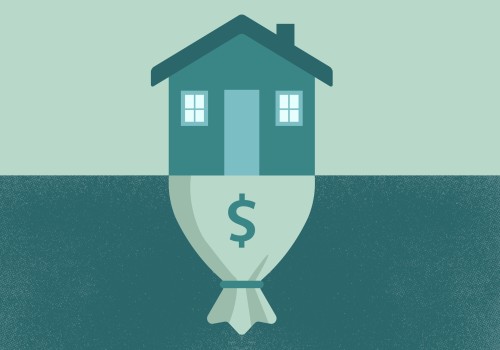
In the ever-evolving landscape of home financing, cash out home loans have emerged as a compelling option for homeowners seeking to leverage their property’s equity. This financial strategy allows individuals to refinance their existing mortgage while simultaneously accessing a lump sum of cash. Whether you’re looking to fund a major renovation, consolidate debt, or invest in other opportunities, understanding the mechanics and benefits of a cash out refinance can empower you to make informed decisions about your financial future.The significance of cash out home loans lies not only in their immediate financial benefits but also in their potential to enhance your overall financial strategy. By tapping into the equity built up in your home, you can unlock funds that may otherwise remain inaccessible.
This can be particularly advantageous in times of rising interest rates or when other forms of credit become less favorable. However, it’s essential to approach this option with a clear understanding of the implications, including how it affects your mortgage balance and monthly payments.As we delve deeper into the world of cash out refinancing, we will explore various mortgage options available to homeowners. From traditional lenders to government-backed programs, each avenue presents unique advantages and considerations. By equipping yourself with knowledge about these options, you can better navigate the complexities of home financing and make choices that align with your long-term financial goals.
What is a Cash Out Home Loan?
A cash out home loan is a financial product that allows homeowners to refinance their existing mortgage while simultaneously accessing a portion of their home equity in the form of cash.This type of loan is particularly appealing for those looking to leverage the value of their home for various financial needs, such as home improvements, debt consolidation, or other significant expenses.When you opt for a cash out refinance, you essentially replace your current mortgage with a new, larger loan. The difference between the new loan amount and what you owe on your existing mortgage is disbursed to you in cash at closing. This process not only provides immediate funds but can also be an opportunity to secure a lower interest rate or adjust the terms of your mortgage.To better understand how a cash out home loan works, consider the following key components:
- Home Equity: The amount of equity you have in your home is crucial. Equity is calculated by subtracting your remaining mortgage balance from your home's current market value.
Most lenders allow you to borrow up to 80% of your equity, although this can vary based on lender policies and your creditworthiness.
- Loan Amount: The total amount you can receive through a cash out refinance depends on several factors, including your home's appraised value and the remaining balance on your current mortgage. For example, if your home is worth $300,000 and you owe $200,000, you may be eligible to withdraw up to $80,000 in cash.
- Closing Costs: Just like any mortgage transaction, cash out refinances come with closing costs that can range from 2% to 5% of the loan amount. It's essential to factor these costs into your decision-making process as they can impact the overall benefit of taking out additional funds.
- Interest Rates: Cash out refinances often come with competitive interest rates compared to other forms of borrowing, such as personal loans or credit cards. However, it's important to shop around and compare offers from different lenders to ensure you're getting the best deal.
Understanding the mechanics behind this financial tool is vital for making informed decisions about leveraging your home's value.
How Does Cashing Out on Your Mortgage Work?
Cashing out on your mortgage through a cash-out refinance is a strategic financial move that allows homeowners to access the equity they have built in their property. Understanding how this process works is crucial for making informed decisions about your financial future.To begin with, a cash-out refinance involves replacing your existing mortgage with a new loan that has a higher balance. This higher balance reflects the amount you owe on your current mortgage plus the additional cash you wish to withdraw. The process typically unfolds in several key steps:- Assess Your Equity: Before initiating a cash-out refinance, it’s essential to determine how much equity you have in your home.
Equity is calculated by subtracting your remaining mortgage balance from your home’s current market value. Most lenders allow you to borrow up to 80% of your home’s equity.
- Shop for Lenders: Not all lenders offer the same terms for cash-out refinancing. It’s advisable to compare interest rates, fees, and loan terms from multiple lenders to find the best deal. Look for lenders who specialize in cash-out refinances, as they may offer more favorable conditions.
- Application Process: Once you’ve selected a lender, you’ll need to complete a loan application.
This will require providing documentation such as income verification, credit history, and details about your current mortgage. The lender will assess your financial situation and determine your eligibility.
- Home Appraisal: Most lenders will require a home appraisal to establish the current market value of your property. This step is crucial as it directly impacts how much equity you can access through the refinance.
- Closing the Loan: If approved, you’ll proceed to closing, where you’ll sign the new loan documents. The funds from the new loan will first be used to pay off your existing mortgage and any associated closing costs.
The remaining amount will be disbursed to you as cash.
Benefits of Cash Out Home Loans
Opting for a cash out home loan can provide homeowners with a multitude of benefits, making it an attractive financial strategy for many. Here are some of the key advantages associated with cash out refinancing:- Access to Liquid Funds: One of the most significant benefits of a cash out refinance is the ability to access a substantial amount of cash.
Homeowners can tap into their home equity, allowing them to receive funds that can be used for various purposes, such as home renovations, education expenses, or unexpected medical bills.
- Home Improvements: Many homeowners choose to use the cash obtained from a cash out refinance to make improvements to their property. Upgrading kitchens, adding bathrooms, or enhancing curb appeal can not only improve the quality of life but also increase the overall value of the home.
- Debt Consolidation: Cash out refinancing can be an effective way to consolidate high-interest debt. By using the funds to pay off credit cards or personal loans, homeowners can potentially lower their monthly payments and reduce the total interest paid over time. This strategy can lead to improved financial stability.
- Lower Interest Rates: In many cases, cash out refinancing allows homeowners to secure a lower interest rate compared to other forms of borrowing.
This can result in significant savings over the life of the loan, making it a cost-effective option for accessing funds.
- Tax Benefits: The interest paid on a cash out refinance may be tax-deductible, similar to traditional mortgage interest. Homeowners should consult with a tax professional to understand how this could benefit their specific financial situation.
- Flexible Use of Funds: Unlike some loans that come with restrictions on how the money can be spent, cash out refinancing provides homeowners with the flexibility to use the funds as they see fit. Whether it’s investing in a new business venture or funding a family vacation, the choice is entirely up to them.
Potential Drawbacks and Risks
Cashing out on your mortgage can provide immediate financial relief or funding for significant expenses, but it is crucial to consider the potential drawbacks and risks associated with this financial decision.Understanding these risks can help homeowners make informed choices that align with their long-term financial goals.
1.Increased Debt Burden
One of the most significant risks of a cash out home loan is the increase in your overall debt. By refinancing your existing mortgage into a larger loan, you are essentially borrowing more money against your home. This can lead to higher monthly payments, which may strain your budget, especially if your financial situation changes unexpectedly.
2.Higher Interest Rates
While cash-out refinancing can sometimes offer lower interest rates compared to personal loans, it is essential to note that you may end up with a higher interest rate than your original mortgage. If market conditions have changed since you first took out your mortgage, you might find yourself paying more in interest over the life of the loan.
3.Closing Costs and Fees
Cashing out on your mortgage typically involves various closing costs and fees, which can add up significantly.
These costs may include appraisal fees, title insurance, and lender fees. Homeowners should factor these expenses into their calculations to ensure that the benefits of cashing out outweigh the costs.
4.Risk of Foreclosure
By increasing your mortgage balance, you also increase the risk of foreclosure if you encounter financial difficulties in the future. If you are unable to keep up with the higher payments, you could jeopardize your homeownership and credit score.
5.Impact on Equity
Cashing out reduces the equity you have built in your home. This can be particularly concerning if property values decline or if you plan to sell your home in the near future.
Lower equity means less profit when selling and could limit your options for future financing.
6.Potential Tax Implications
While interest on a primary mortgage is often tax-deductible, cash-out refinancing may complicate this aspect. Depending on how you use the funds, there could be tax implications that homeowners need to consider before proceeding with a cash-out refinance.In conclusion, while a cash-out refinance can provide access to much-needed funds, it is essential to weigh these potential drawbacks carefully. Homeowners should assess their financial situation, consider alternative options, and consult with a financial advisor to ensure they are making the best decision for their circumstances.
Eligibility Requirements for Cash Out Home Loans
When considering a cash out home loan, understanding the eligibility requirements is crucial for homeowners looking to leverage their home equity. These requirements can vary based on the lender, but several common factors typically influence your ability to qualify.Credit Score Requirements
Your credit score plays a significant role in determining your eligibility for a cash-out refinance.Most lenders prefer a minimum credit score of 620, although some may allow lower scores under specific circumstances. A higher credit score not only increases your chances of approval but can also lead to better interest rates and terms. If your score is below the threshold, consider taking steps to improve it before applying.
Equity Considerations
Equity is another critical factor in cash-out refinancing. Generally, lenders require you to have at least 20% equity in your home to qualify for a cash-out refinance.This means that if your home is valued at $300,000, you should owe no more than $240,000 on your mortgage. The amount you can cash out will depend on the equity you have built up over time.
Debt-to-Income Ratio
Your debt-to-income (DTI) ratio is a measure of how much of your monthly income goes toward paying debts. Lenders typically prefer a DTI ratio of 43% or lower for cash-out refinancing. A lower DTI indicates that you have a manageable level of debt relative to your income, which can enhance your chances of approval.Loan-to-Value Ratio
The loan-to-value (LTV) ratio is another important metric that lenders assess.This ratio compares the amount of your new loan to the appraised value of your home. Most lenders allow an LTV ratio of up to 80% for cash-out refinances, meaning you can borrow up to 80% of your home's value after accounting for the existing mortgage balance.
Property Type and Occupancy
The type of property and how you occupy it can also affect eligibility. Most lenders require that the property be your primary residence; however, some may allow cash-out refinancing on second homes or investment properties under specific conditions. Additionally, certain property types, such as condos or multi-family homes, may have additional requirements.In summary, qualifying for a cash out home loan involves meeting various criteria related to credit scores, equity, DTI ratios, LTV ratios, and property type.By understanding these requirements and preparing accordingly, homeowners can better position themselves for successful refinancing.
How Much Can You Cash Out?
When considering a cash out home loan, one of the most pressing questions homeowners have is, "How much can I actually cash out?" The amount you can access through a cash-out refinance largely depends on your home’s equity, the current market value of your property, and the specific terms of your mortgage.Understanding Home Equity
Home equity is the difference between your home’s current market value and the outstanding balance on your mortgage. For example, if your home is worth $300,000 and you owe $200,000 on your mortgage, your equity is $100,000. This equity is what you can tap into when you opt for a cash-out refinance.
Cash-Out Limits
Most lenders allow you to borrow up to 80% of your home’s equity. Using the previous example, if your home is valued at $300,000, you could potentially cash out up to $80,000 (80% of $100,000).
However, this limit can vary based on several factors:
- Credit Score: A higher credit score may allow for more favorable terms and higher cash-out limits.
- Loan Type: Different loan programs have varying rules regarding cash-out limits. For instance, VA loans may allow for 100% cash-out refinancing.
- Current Mortgage Terms: The type of mortgage you currently have can influence how much you can refinance.
Calculating Your Cash-Out Amount
To determine how much you can cash out, follow these steps:
- Assess your home’s current market value through an appraisal or comparative market analysis.
- Subtract your remaining mortgage balance from this value to find your total equity.
- Multiply your total equity by the lender's maximum cash-out percentage (typically 80%).
- Consider any closing costs or fees that may reduce the final amount you receive.
Costs Associated with Cash Out Home Loans
When considering a cash out home loan, it’s crucial to understand the various costs involved in the process.These costs can significantly impact the overall financial benefits of refinancing your mortgage. Below, we break down the primary expenses you should anticipate.
Closing Costs
Closing costs are one of the most significant expenses associated with a cash-out refinance. These costs typically range from 2% to 5% of the loan amount and can include:- Loan Origination Fees: This fee is charged by the lender for processing your loan application and can vary widely.
- Appraisal Fees: An appraisal is often required to determine your home’s current market value, which can cost several hundred dollars.
- Title Insurance: This protects against any claims on the property and is usually a one-time fee paid at closing.
- Credit Report Fees: Lenders will check your credit history, and you may be charged for this service.
- Prepaid Costs: These include property taxes, homeowners insurance, and interest that may need to be paid upfront.
Other Fees
In addition to closing costs, there are other fees that may arise during the refinancing process:- Points: You may choose to pay points to lower your interest rate. Each point typically costs 1% of the loan amount.
- Escrow Fees: If your lender requires an escrow account for property taxes and insurance, there may be fees associated with setting this up.
- Attorney Fees: Depending on your state’s regulations, you might need legal assistance during the closing process.
While accessing cash through your home can be beneficial, it’s important to weigh these expenses against the potential advantages of refinancing. Always consult with a financial advisor or mortgage professional to ensure you make an informed decision that suits your unique situation.
Alternatives to Cash Out Home Loans
While a cash out home loan can provide immediate access to funds, it’s not the only option available to homeowners seeking financial assistance. Understanding the alternatives can help you make a more informed decision based on your unique financial situation and goals.Home Equity Line of Credit (HELOC)
A Home Equity Line of Credit (HELOC) is a popular alternative to cash out refinancing. This option allows homeowners to borrow against the equity in their home, providing a revolving line of credit that can be drawn upon as needed.Unlike a cash out refinance, which provides a lump sum, a HELOC offers flexibility, allowing you to borrow only what you need when you need it.
- Interest Rates: HELOCs typically have variable interest rates, which can be lower than those of personal loans or credit cards.
- Repayment Terms: Borrowers usually have a draw period (often 5-10 years) during which they can withdraw funds, followed by a repayment period.
Home Equity Loan
A home equity loan is another viable alternative. This type of loan allows you to borrow a fixed amount against your home’s equity, providing a lump sum that is repaid over time with fixed monthly payments. It’s similar to a cash out refinance but does not involve changing your existing mortgage.- Fixed Interest Rates: Home equity loans often come with fixed interest rates, making budgeting easier.
- Use of Funds: The funds can be used for various purposes, such as home improvements or debt consolidation.
Personal Loans
If you prefer not to leverage your home, personal loans are an option worth considering. These unsecured loans can provide quick access to cash without the need for collateral.However, they often come with higher interest rates compared to secured loans like HELOCs or home equity loans.
- No Collateral Required: Since personal loans are unsecured, you won’t risk losing your home if you default.
- Quick Approval: Personal loans can often be approved and funded quickly, making them suitable for urgent financial needs.
Credit Cards
For smaller expenses or emergencies, using credit cards may be an immediate solution. While this option should be approached with caution due to potentially high-interest rates, it can provide quick access to funds without the lengthy approval process associated with other financing options.- Rewards and Benefits: Many credit cards offer rewards programs that can provide additional value for everyday purchases.
- Promotional Offers: Some cards come with introductory 0% APR offers that can help manage costs if paid off within the promotional period.
Frequently Asked Questions (FAQs)
When considering a cash out home loan, many homeowners have questions about the process and its implications.Here are some frequently asked questions that can help clarify common misconceptions and provide deeper insights.
- What is the difference between a cash-out refinance and a home equity loan?
A cash-out refinance replaces your existing mortgage with a new, larger loan, allowing you to take out the difference in cash. In contrast, a home equity loan is a second mortgage that allows you to borrow against the equity in your home while keeping your original mortgage intact. With a cash-out refinance, you may benefit from potentially lower interest rates on the new loan, while a home equity loan typically has fixed rates and terms. Choosing between the two depends on your financial situation and goals. - Can I use a cash-out refinance for anything?
Yes, one of the appealing aspects of a cash-out refinance is its flexibility.Homeowners can use the funds for various purposes, including home renovations, debt consolidation, education expenses, or even investing in other properties. However, it’s essential to consider how these expenditures will impact your long-term financial health. Using the funds wisely can lead to significant benefits, but mismanagement could lead to financial strain.
- How does a cash-out refinance affect my credit score?
A cash-out refinance can have both positive and negative effects on your credit score. Initially, applying for a new loan may result in a hard inquiry on your credit report, which can temporarily lower your score.However, if you use the funds to pay off high-interest debt or make timely payments on your new mortgage, it can improve your credit utilization ratio and payment history over time. Maintaining good financial habits post-refinance is crucial for enhancing your credit score.
<strong>Conclusion</strong>
In summary, understanding what it means to cash out on your mortgage is crucial for homeowners considering this financial strategy. A cash-out refinance can provide significant benefits, allowing you to access a portion of your home’s equity while potentially securing a lower interest rate on your mortgage. However, it is essential to approach this option with careful consideration and a clear understanding of the implications.Before proceeding with a cash-out refinance, homeowners should evaluate their financial situation and goals.This includes assessing how much equity is available in the home, the current interest rates, and the potential costs associated with refinancing. It’s also wise to consider how the cash obtained will be utilized—whether for home improvements, debt consolidation, or other investments.Moreover, it’s important to recognize that while a cash-out refinance can provide immediate financial relief or opportunities, it also increases the overall debt on your home. This means that monthly mortgage payments may rise, and homeowners should ensure they are comfortable with the new payment structure. Additionally, if property values decline, there is a risk of owing more than the home is worth.Consulting with a financial advisor or mortgage professional can provide valuable insights tailored to your specific circumstances.
They can help you navigate the complexities of cash out home loans, ensuring you make informed decisions that align with your long-term financial health.Ultimately, cashing out on your mortgage can be a powerful tool when used wisely. By understanding the process and implications, homeowners can leverage their home equity effectively while minimizing risks associated with increased debt.