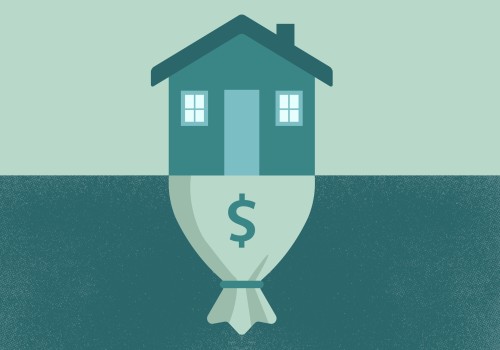
In the ever-evolving landscape of personal finance, homeowners are increasingly seeking ways to leverage their property’s value. One popular option that has gained traction is the cash-out refinance loan. This financial tool allows homeowners to tap into their home equity, converting a portion of it into cash while simultaneously refinancing their existing mortgage. As the housing market fluctuates and interest rates change, understanding the nuances of cash-out refinancing becomes essential for those looking to optimize their financial situation.A cash-out refinance can serve multiple purposes, making it a versatile option for many homeowners.
Whether you’re considering funding a major home renovation, consolidating high-interest debt, or even investing in other opportunities, this type of loan can provide the necessary liquidity. By replacing your current mortgage with a new one that has a higher balance, you can access the difference in cash. This process not only allows you to utilize your home’s equity but can also potentially lower your monthly payments if you secure a better interest rate.However, while the benefits of a cash-out refinance are appealing, it’s crucial to approach this financial decision with caution. Home equity loans and cash-out refinances may seem similar at first glance, but they come with distinct differences that can significantly impact your long-term financial health.
Understanding these differences and evaluating your personal financial goals will help you determine if a cash-out refinance is the right choice for you.As we delve deeper into the benefits and considerations of cash-out refinancing, it’s important to weigh both the immediate advantages and the potential long-term implications. With careful planning and informed decision-making, homeowners can effectively utilize this financial strategy to enhance their overall economic well-being.
What is a Cash-Out Refinance Loan?
A cash-out refinance loan is a financial product that allows homeowners to tap into the equity they have built up in their property. This type of refinancing involves replacing your existing mortgage with a new one that has a higher principal amount. The difference between the new loan and the amount owed on the original mortgage is then disbursed to you in cash, which can be used for various purposes.To understand how a cash-out refinance works, it’s essential to grasp the concept of home equity.Home equity is the portion of your home that you truly own, calculated as the current market value of your home minus any outstanding mortgage balances. For instance, if your home is valued at $300,000 and you owe $200,000 on your mortgage, your equity stands at $100,000.When you opt for a cash-out refinance, you essentially take out a new mortgage that covers both the remaining balance of your old mortgage and the additional cash you wish to receive. For example, if you decide to refinance for $250,000, you would pay off the existing $200,000 mortgage and receive $50,000 in cash. This process not only provides immediate funds but also allows you to potentially secure a lower interest rate or better loan terms.Here’s how the process typically unfolds:
- Application: You start by applying for a new mortgage with a lender.
This involves providing financial documentation and undergoing a credit check.
- Appraisal: The lender will usually require an appraisal to determine your home’s current market value. This step is crucial as it affects how much equity you can access.
- Loan Approval: Once approved, the lender will outline the terms of your new loan, including interest rates and repayment schedules.
- Closing: At closing, your old mortgage is paid off with the proceeds from the new loan, and you receive any cash difference.
Benefits of Cash-Out Refinance Loans
Opting for a cash-out refinance loan can provide homeowners with a multitude of benefits, making it an attractive financial option for many.Here are some of the key advantages associated with this type of loan:
- Access to Cash: One of the most significant benefits of a cash-out refinance is the ability to access a substantial amount of cash. Homeowners can tap into their home equity, which can be used for various purposes such as home renovations, education expenses, or even starting a business.
- Lower Interest Rates: If current mortgage rates are lower than your existing rate, refinancing can lead to reduced monthly payments. This not only helps in saving money but also allows homeowners to allocate funds towards other financial goals.
- Debt Consolidation: Many homeowners use cash-out refinancing to consolidate high-interest debts, such as credit card balances or personal loans. By doing so, they can simplify their finances and potentially lower their overall interest payments.
- Tax Benefits: The interest paid on a cash-out refinance may be tax-deductible, similar to traditional mortgage interest.
This can provide additional savings during tax season, making it a financially savvy choice for many homeowners.
- Improved Home Value: Using the funds from a cash-out refinance for home improvements can increase the overall value of your property. Renovations such as kitchen upgrades or bathroom remodels not only enhance your living space but can also yield a higher return on investment when selling the home.
- Flexible Use of Funds: Unlike other loans that may have specific restrictions on how the money can be used, cash-out refinance loans offer flexibility. Homeowners can use the funds for virtually any purpose, allowing them to address immediate financial needs or invest in long-term goals.
How to Determine if a Cash-Out Refinance is Right for You
Deciding whether a cash-out refinance is the right choice for you involves careful consideration of several factors that can significantly impact your financial future.Here are some key elements to evaluate:
- Current Mortgage Rates: One of the first things to assess is the current interest rate environment. If mortgage rates are lower than your existing rate, a cash-out refinance could be beneficial. This allows you to not only access cash but also potentially lower your monthly payments.
- Equity in Your Home: Understanding how much equity you have in your home is crucial. Generally, lenders allow you to borrow up to 80% of your home’s value through a cash-out refinance.
Calculate your home’s current market value and subtract your remaining mortgage balance to determine your available equity.
- Financial Goals: Consider what you plan to do with the cash obtained from the refinance. Are you looking to fund home renovations, pay off high-interest debt, or invest in other opportunities? Aligning the purpose of the cash-out with your long-term financial goals can help justify the decision.
- Debt-to-Income Ratio: Lenders will evaluate your debt-to-income (DTI) ratio when considering your application. A lower DTI indicates better financial health and increases your chances of approval. If taking on a new loan will push your DTI above acceptable levels, it may not be wise to proceed.
- Closing Costs: Be aware that a cash-out refinance comes with closing costs, typically ranging from 2% to 5% of the loan amount.
Factor these costs into your calculations to ensure that the benefits outweigh the expenses.
- Long-Term Implications: A cash-out refinance extends the term of your mortgage, which could mean paying more interest over time. Consider how this will affect your overall financial picture in the long run. Will it delay your ability to pay off your home? Will it impact your retirement savings?
Costs Associated with Cash-Out Refinancing
When considering a cash-out refinance, it’s crucial to understand the various costs associated with this financial decision.While accessing the equity in your home can provide significant benefits, the expenses involved can impact your overall financial situation. Below, we break down the primary costs you should anticipate when pursuing a cash-out refinance.
Closing Costs
One of the most significant expenses you will encounter is the closing costs. These costs typically range from 2% to 5% of the loan amount and can include:- Origination Fees: Charged by lenders for processing the loan, these fees can vary widely based on the lender and your credit profile.
- Appraisal Fees: An appraisal is often required to determine the current market value of your home, which can cost several hundred dollars.
- Title Insurance: This protects against any claims on the property and is usually a one-time fee paid at closing.
- Credit Report Fees: Lenders will check your credit history, which may incur a small fee.
- Prepaid Costs: These include property taxes and homeowners insurance that may need to be paid upfront.
Potential Penalties
If you are refinancing an existing mortgage, it’s essential to check for any prepayment penalties associated with your current loan. Some lenders impose fees if you pay off your mortgage early, which could negate some of the savings from refinancing.Always review your original loan agreement to understand these potential costs.
Interest Rate Considerations
The interest rate on your new cash-out refinance loan can also affect your overall costs. If you secure a lower rate than your existing mortgage, you may save money in the long run. However, if rates have increased since you took out your original mortgage, you might end up paying more in interest over time. It’s essential to compare rates and terms from multiple lenders to find the best deal.In summary, while a cash-out refinance can provide access to much-needed funds, it’s vital to consider all associated costs carefully.By understanding closing costs, potential penalties, and interest rate implications, you can make a more informed decision that aligns with your financial goals.
Impact on Credit Score and Financial Profile
When considering a cash-out refinance, it’s essential to understand how this financial decision can influence your credit score and overall financial profile. The implications can be both positive and negative, depending on various factors.Positive Impacts on Credit Score
- Debt Reduction: If you use the cash obtained from a refinance to pay off high-interest debts, such as credit cards, you may see an improvement in your credit score. Reducing your overall debt load can positively affect your credit utilization ratio, which is a significant factor in credit scoring.
- Payment History: A cash-out refinance allows you to consolidate debts into one manageable payment. If you consistently make timely payments on your new mortgage, this positive payment history can enhance your credit score over time.
- Credit Mix: Having a variety of credit types can benefit your credit score.
By adding a new mortgage to your credit profile, you diversify your credit mix, which can be favorable for your score.
Negative Impacts on Credit Score
- Hard Inquiry: When you apply for a cash-out refinance, lenders will perform a hard inquiry on your credit report. This inquiry can temporarily lower your credit score by a few points.
- Increased Debt-to-Income Ratio: While accessing cash can be beneficial, it also increases your overall debt. If the new loan significantly raises your debt-to-income ratio, it may negatively impact your creditworthiness in the eyes of lenders.
- New Loan Terms: A cash-out refinance often comes with different terms than your original mortgage. If the new loan has a higher interest rate or longer repayment period, it could lead to higher overall costs and potential financial strain.
Long-Term Financial Profile Changes
The long-term effects of a cash-out refinance extend beyond just the immediate impact on your credit score.
It’s crucial to consider how this decision fits into your broader financial strategy. For instance, while accessing cash for home improvements or investments can yield positive returns, it’s vital to ensure that these expenditures align with your financial goals.Moreover, maintaining a healthy balance between leveraging home equity and managing debt is key. Regularly reviewing your financial profile post-refinance will help you stay on track and make informed decisions moving forward.
Tax Implications of Cash-Out Refinancing
When considering a cash-out refinance, one of the most pressing questions homeowners often have is about the tax implications associated with this financial move. Understanding how cash-out refinancing affects your taxes can help you make informed decisions and maximize your financial benefits.First and foremost, it’s essential to clarify that the funds you receive from a cash-out refinance are not considered taxable income.This means that when you access equity from your home through this refinancing option, you do not have to report that money as income on your tax return. The Internal Revenue Service (IRS) views these funds as a loan rather than income, which is a significant advantage for homeowners looking to leverage their home equity.However, while the cash itself is not taxable, there are other tax considerations to keep in mind:
- Mortgage Interest Deduction: One of the primary tax benefits of refinancing is the ability to deduct mortgage interest on your tax return. If you use the cash from your refinance for qualified expenses, such as home improvements or paying off high-interest debt, you may still be eligible to deduct the interest on the entire loan amount. This can lead to substantial savings on your annual tax bill.
- Qualified Expenses: To qualify for the mortgage interest deduction, the funds must be used for specific purposes.
The IRS allows deductions for interest on loans used to buy, build, or substantially improve your home. Therefore, if you use your cash-out refinance funds for renovations that increase your home’s value, you can benefit from this deduction.
- Loan Amount Limits: It’s important to note that there are limits on how much mortgage interest you can deduct based on the total amount of your mortgage. As of recent tax laws, interest on up to $750,000 of mortgage debt can be deducted if you are married filing jointly. For single filers or married individuals filing separately, this limit is $375,000.
Consulting with a tax professional can provide personalized advice tailored to your financial situation and ensure that you take full advantage of any available deductions.
Alternatives to Cash-Out Refinancing
When considering ways to access the equity in your home, a cash-out refinance is just one of several options available. Homeowners should explore various alternatives to ensure they choose the best financial solution for their needs. Below, we delve into two popular alternatives: home equity loans and home equity lines of credit (HELOCs).Home Equity Loans
A home equity loan allows homeowners to borrow against the equity they have built up in their property. This type of loan typically provides a lump sum payment that is repaid over a fixed term, usually with a fixed interest rate.Here are some key features:
- Fixed Amount: Home equity loans provide a one-time payment, making it easier to budget for monthly repayments.
- Fixed Interest Rates: Most home equity loans come with fixed interest rates, which can offer stability in your monthly payments.
- Tax Deductibility: Interest paid on home equity loans may be tax-deductible if the funds are used for home improvements.
Home Equity Lines of Credit (HELOC)
A HELOC functions more like a credit card, allowing homeowners to borrow against their home’s equity as needed. It offers flexibility and can be an excellent choice for ongoing expenses. Key characteristics include:- Revolving Credit: Borrowers can withdraw funds up to a certain limit during the draw period, which typically lasts 5-10 years.
- Variable Interest Rates: HELOCs often have variable rates, which can fluctuate based on market conditions.
- Interest-Only Payments: During the draw period, borrowers may only need to make interest payments, which can keep initial costs low.
Comparing Options
When deciding between these alternatives and a cash-out refinance, consider the following factors:- Loan Purpose: Determine whether you need a lump sum or ongoing access to funds.
- Interest Rates: Compare rates across all options to find the most cost-effective solution.
- Total Costs: Factor in closing costs, fees, and potential tax implications when evaluating each option.
Frequently Asked Questions about Cash-Out Refinancing
When considering a cash-out refinance loan, potential borrowers often have numerous questions. Understanding these common inquiries can help clarify the process and alleviate concerns.Here are some frequently asked questions about cash-out refinancing:
What is a cash-out refinance?
A cash-out refinance is a financial transaction where you replace your existing mortgage with a new one that has a higher balance. The difference between the two amounts is given to you in cash, which you can use for various purposes, such as home renovations, debt consolidation, or other financial needs.How does a cash-out refinance work?
In a cash-out refinance, you apply for a new mortgage that pays off your current mortgage. The new loan amount is based on your home’s current value, allowing you to access the equity you've built up over time. After paying off the original mortgage, the remaining funds are disbursed to you as cash.What are the benefits of a cash-out refinance?
- Access to Cash: You can obtain significant funds for major expenses.
- Lower Interest Rates: If market rates have dropped since your original mortgage, you may secure a lower rate.
- Tax Benefits: Interest on the new loan may be tax-deductible if used for home improvements.
Are there any risks involved?
Yes, there are risks associated with cash-out refinancing.By increasing your mortgage balance, you may face higher monthly payments and extend your loan term. Additionally, if property values decline, you could end up owing more than your home is worth.
How much equity do I need to qualify?
Lenders typically require that you maintain at least 20% equity in your home after the refinance. This means that if your home is worth $300,000, you should ideally owe no more than $240,000 on your new mortgage.Is there a limit to how much I can cash out?
The amount you can cash out depends on several factors, including your lender's policies and the amount of equity in your home. Generally, lenders allow you to withdraw up to 80% of your home's appraised value.By addressing these common questions about cash-out loans, potential borrowers can make informed decisions and better understand how this financial tool can fit into their overall financial strategy.Conclusion: Making an Informed Decision on Cash-Out Refinancing
In conclusion, navigating the world of cash-out home loans requires a thorough understanding of both the advantages and potential drawbacks.As we have explored, this financial tool can provide significant benefits, such as accessing the equity in your home for various purposes, including home renovations, debt consolidation, or even funding educational expenses. However, it is crucial to approach this option with caution and a well-informed mindset.One of the primary benefits of a cash-out refinance is the ability to secure a lower interest rate compared to your existing mortgage. This can lead to reduced monthly payments and overall savings in interest over the life of the loan. Additionally, since the funds obtained through a cash-out refinance are not classified as income, they remain tax-free, allowing you to utilize them without worrying about tax implications.However, it is essential to consider the associated costs that come with this type of refinancing.
Closing costs can range from 2% to 5% of the loan amount, which can add up significantly. Furthermore, extending your loan term may result in paying more interest over time, potentially negating some of the initial savings you might gain from a lower interest rate.Moreover, taking on a cash-out refinance can impact your credit score and financial profile. By increasing your mortgage balance, you may inadvertently affect your debt-to-income ratio and overall creditworthiness. Therefore, it is vital to assess your current financial situation and future goals before proceeding.Ultimately, making an informed decision about a cash-out refinance involves weighing these benefits against the costs and potential long-term effects on your financial health.
Consulting with a financial advisor or mortgage professional can provide personalized insights tailored to your unique circumstances. By doing so, you can ensure that you are making a choice that aligns with your financial objectives and enhances your overall economic well-being.