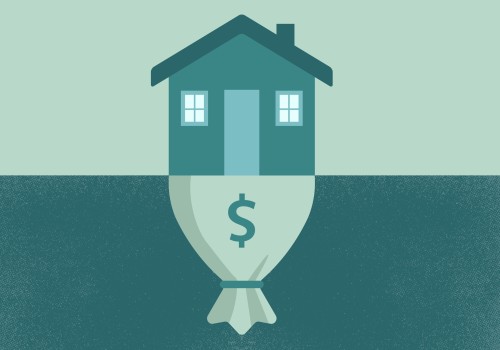
In today's ever-evolving financial landscape, homeowners are increasingly seeking ways to leverage the value of their properties. One popular method to achieve this is through cash-out refinancing, a financial strategy that allows homeowners to tap into their home equity for various purposes. But what exactly is a cash-out home loan? At its core, cash-out refinancing involves replacing your existing mortgage with a new one that has a higher balance than what you currently owe. The difference between the two amounts is then disbursed to you in cash, providing you with immediate funds that can be used for a variety of needs.The appeal of cash-out refinancing lies in its versatility.
Homeowners can utilize the cash received for significant expenses such as home renovations, educational costs, medical bills, or even debt consolidation. In an era where financial flexibility is paramount, this option offers a way to manage large expenditures without resorting to high-interest credit cards or personal loans. However, it’s essential to understand that while cash-out refinancing can provide substantial benefits, it also comes with its own set of risks and considerations.As you explore the concept of cash-out refinancing, it’s crucial to weigh the pros and cons carefully. While this option can lead to lower interest rates compared to other forms of borrowing, it may also involve higher closing costs and stricter qualification criteria.
Understanding these factors will help you make an informed decision about whether a cash-out home loan aligns with your financial goals and circumstances. In the following sections, we will delve deeper into the mechanics of cash-out refinancing, its advantages and disadvantages, and how it compares to other financing options available today.
How Cash-Out Refinancing Works
Understanding how cash-out refinancing works is essential for homeowners looking to leverage their home equity. This financial strategy allows you to replace your existing mortgage with a new one that has a higher principal amount, enabling you to access the difference in cash. Here’s a detailed breakdown of the process involved in obtaining a cash-out home loan.1.Assess Your Home Equity
- Before initiating the cash-out refinance process, determine how much equity you have in your home.
Equity is calculated by subtracting your current mortgage balance from your home’s market value.
- Most lenders allow you to borrow up to 80% of your home’s equity, but this can vary based on lender policies and your creditworthiness.
2.Shop for Lenders
- Research various lenders to find competitive interest rates and terms. Consider both traditional banks and online lenders.
- Request quotes and compare the annual percentage rates (APRs), closing costs, and any additional fees associated with the loan.
3.Apply for the Loan
- Once you’ve selected a lender, complete the application process. This typically involves providing personal information, financial documents, and details about your property.
- The lender will conduct a credit check and assess your financial situation to determine your eligibility.
4.Home Appraisal
- The lender will likely require a home appraisal to establish the current market value of your property. This step is crucial as it influences how much equity you can access.
- The appraisal process may take several days, during which an appraiser will evaluate your home’s condition and comparable properties in the area.
5.Closing Process
- If approved, you’ll receive a loan estimate detailing the terms of your new mortgage.
Review this document carefully before proceeding.
- The closing process involves signing various documents, paying closing costs, and finalizing the new loan agreement. The funds from the cash-out refinance will be disbursed at this time.
6.Use Your Cash Wisely
- The cash received from a cash-out refinance can be used for various purposes such as home improvements, debt consolidation, or educational expenses. However, it’s crucial to use these funds responsibly to avoid financial strain.
Benefits of Cash-Out Refinancing
Opting for a cash-out refinance can provide homeowners with a multitude of benefits, making it an attractive option for those looking to leverage their home equity.Here are some of the key advantages of pursuing a cash out home loan.
- Access to Funds for Major Expenses: One of the most significant benefits of cash-out refinancing is the ability to access a substantial amount of cash. Homeowners can use these funds for various purposes, such as home renovations, medical expenses, educational costs, or even consolidating high-interest debt. This flexibility allows you to address pressing financial needs without resorting to higher-interest loans.
- Potential Tax Benefits: In many cases, the interest paid on a cash-out refinance may be tax-deductible, especially if the funds are used for home improvements. This can lead to significant savings during tax season, making cash-out refinancing an appealing option for those looking to maximize their financial benefits.
- Lower Interest Rates Compared to Other Loans: Cash-out refinancing often comes with lower interest rates than personal loans or credit cards.
This can result in substantial savings over time, especially if you are consolidating higher-interest debt into a single, lower-rate mortgage. By refinancing your existing mortgage and taking out additional funds, you may end up paying less in interest overall.
- Improved Cash Flow: By consolidating debts or financing large expenses through a cash-out refinance, homeowners can improve their monthly cash flow. Lower monthly payments on a new mortgage compared to multiple high-interest debts can free up funds for other essential expenses or savings.
- Increased Home Value: Using cash from a refinance to invest in home improvements can increase your property’s value. Renovations such as kitchen upgrades or bathroom remodels not only enhance your living space but can also yield a return on investment when it comes time to sell your home.
With potential tax benefits, lower interest rates compared to other borrowing options, and the opportunity to improve your home’s value, this financial strategy can be a powerful tool for homeowners looking to make the most of their equity.
Drawbacks and Risks of Cash-Out Refinancing
While cash-out refinancing can provide significant financial benefits, it is essential to consider the potential drawbacks and risks associated with this option. Understanding these factors can help homeowners make informed decisions about their financial future.Higher Interest Rates
One of the primary disadvantages of a cash out home loan is that it typically comes with higher interest rates compared to traditional refinancing options. Lenders often view cash-out refinancing as a greater risk, which can lead to increased costs over the life of the loan. Homeowners should carefully evaluate whether the benefits of accessing cash outweigh the long-term financial implications of higher interest payments.
Closing Costs
Another significant consideration is the closing costs associated with cash-out refinancing.
These costs can be substantial, often ranging from 2% to 5% of the loan amount. Unlike a standard refinance, where you may only pay fees on the existing mortgage balance, cash-out refinancing requires you to cover closing costs on the entire new loan amount. This can diminish the immediate financial benefits of receiving cash from your home equity.
Impact on Home Equity
Utilizing a cash-out refinance reduces the equity you have built in your home. This can be particularly concerning if property values decline or if you need to sell your home in the near future.
Lower equity means less financial cushion and could lead to challenges if you encounter unexpected expenses or need to relocate.
Risk of Foreclosure
By increasing your mortgage balance through a cash-out refinance, you may inadvertently heighten your risk of foreclosure. If you face financial difficulties and cannot keep up with your mortgage payments, having a larger loan amount can make it more challenging to manage your finances. Homeowners should assess their ability to maintain payments before opting for this type of refinancing.
Potential for Debt Accumulation
Cash-out refinancing can also lead to a cycle of debt accumulation. If homeowners use the funds for non-essential expenses or fail to manage their finances wisely, they may find themselves in a worse financial position than before.
It is crucial to have a clear plan for how the cash will be used and ensure that it contributes positively to overall financial health.In conclusion, while cash-out refinancing offers access to valuable home equity, it is vital to weigh these drawbacks and risks carefully. Homeowners should consider their long-term financial goals and consult with a mortgage professional to determine if this option aligns with their needs.
Eligibility Requirements for Cash-Out Refinancing
When considering a cash-out home loan, understanding the eligibility requirements is crucial for potential borrowers. Lenders typically evaluate several factors to determine whether you qualify for a cash-out refinance. Here are the primary criteria:- Credit Score: Most lenders require a minimum credit score to qualify for a cash-out refinance.
Generally, a score of 620 or higher is preferred, although some lenders may accept lower scores under specific circumstances. A higher credit score not only increases your chances of approval but can also lead to better interest rates.
- Debt-to-Income Ratio (DTI): Your DTI ratio is a critical factor in the approval process. This ratio compares your monthly debt payments to your gross monthly income. Most lenders prefer a DTI of 43% or lower, although some may allow up to 50% depending on other financial factors.
A lower DTI indicates that you have a manageable level of debt relative to your income, making you a more attractive candidate for refinancing.
- Equity in Your Home: To qualify for a cash-out refinance, you must have sufficient equity in your home. Typically, lenders require that you maintain at least 20% equity after the refinance. This means that if your home is valued at $300,000, you should owe no more than $240,000 on your existing mortgage to access the remaining $60,000 in cash.
- Loan-to-Value Ratio (LTV): The LTV ratio is another important metric that lenders assess. It is calculated by dividing the total amount of your mortgage by the appraised value of your home.
For cash-out refinancing, most lenders prefer an LTV of 80% or lower, which means you should retain at least 20% equity in your home after the refinance.
- Employment and Income Stability: Lenders will also look at your employment history and income stability. A consistent job history and reliable income can enhance your chances of qualifying for a cash-out refinance. Self-employed individuals may need to provide additional documentation, such as tax returns and profit-and-loss statements.
Comparing Cash-Out Refinancing with Other Loan Options
When considering how to access the equity in your home, it’s essential to compare cash-out refinancing with other financing options such as home equity loans and personal loans.Each option has its unique features, benefits, and drawbacks that can significantly impact your financial situation.
Cash-Out Refinance vs. Home Equity Loan
A cash-out refinance involves replacing your existing mortgage with a new one that has a higher balance. The difference between the two amounts is given to you in cash, which you can use for various purposes. In contrast, a home equity loan is a second mortgage that allows you to borrow against the equity in your home while keeping your original mortgage intact.- Interest Rates: Cash-out refinancing typically offers lower interest rates compared to home equity loans because it is secured by your primary mortgage.
However, rates can vary based on market conditions and your creditworthiness.
- Loan Amount: With cash-out refinancing, you can often borrow a larger sum since it combines both your existing mortgage and the cash-out amount. Home equity loans usually have limits based on the equity you have built up.
- Closing Costs: Cash-out refinancing generally incurs higher closing costs since it involves a new mortgage. Home equity loans may have lower closing costs but still require some fees.
Cash-Out Refinance vs. Personal Loan
Personal loans are unsecured loans that do not require collateral, making them a quick option for accessing funds.However, they often come with higher interest rates compared to secured loans like cash-out refinancing.
- Collateral: Cash-out refinancing is secured by your home, which usually results in lower interest rates. Personal loans are unsecured, meaning lenders charge higher rates due to the increased risk.
- Loan Terms: Cash-out refinances typically offer longer repayment terms (15-30 years), while personal loans usually have shorter terms (3-7 years). This can affect your monthly payments and overall interest paid over time.
- Usage of Funds: Both options allow for flexible use of funds; however, personal loans may be better suited for smaller expenses or emergencies due to their quicker approval process.
The Application Process for Cash-Out Refinancing
Applying for a cash-out home loan can seem daunting, but understanding the application process can simplify it significantly.Here’s a step-by-step guide to help you navigate through the process smoothly.
Step 1: Assess Your Financial Situation
Before you begin the application, take a close look at your financial health. Consider your credit score, current mortgage balance, and the amount of equity you have in your home. Most lenders prefer a credit score of at least 620 for cash-out refinancing, but higher scores can yield better rates.Step 2: Gather Necessary Documentation
To streamline your application, gather the following documents:- Proof of Income: Recent pay stubs, W-2 forms, or tax returns if you are self-employed.
- Credit Report: Lenders will pull this, but having a copy can help you identify any issues beforehand.
- Home Appraisal: An appraisal will determine your home’s current market value and is often required by lenders.
- Current Mortgage Statement: This shows your existing loan balance and payment history.
- Debt Information: List of all debts including credit cards, student loans, and other obligations.
Step 3: Shop Around for Lenders
Not all lenders offer the same terms or rates for cash-out refinancing. It’s wise to compare offers from multiple lenders.Look for competitive interest rates, low closing costs, and favorable terms. Don’t hesitate to ask questions about fees and the overall process.
Step 4: Submit Your Application
Once you’ve chosen a lender, complete the application form. This can often be done online or in person. Be prepared to provide all gathered documentation and answer questions about your financial situation.Step 5: Undergo the Approval Process
Your lender will review your application and documentation.This may include a credit check and an appraisal of your home. The approval process can take anywhere from a few days to several weeks depending on the lender and your specific situation.
Step 6: Closing the Loan
If approved, you’ll receive a closing disclosure detailing the terms of your new loan. Review this carefully before signing. At closing, you’ll pay any applicable closing costs and finalize the loan paperwork.After closing, you’ll receive the cash difference between your new mortgage and your existing mortgage balance.By following these steps and being well-prepared, you can enhance your chances of a successful cash-out refinance application. Always consider consulting with a financial advisor to ensure that this option aligns with your long-term financial goals.
Frequently Asked Questions about Cash-Out Refinancing
When considering a cash-out home loan, many homeowners have questions about the process, benefits, and potential drawbacks. Here are some of the most frequently asked questions regarding cash-out refinancing:What is cash-out refinancing?
Cash-out refinancing is a financial strategy that allows homeowners to replace their existing mortgage with a new one that has a higher value. The difference between the new mortgage amount and the remaining balance on the old mortgage is given to the homeowner in cash.This can be used for various purposes, such as home improvements, debt consolidation, or other significant expenses.
How does cash-out refinancing work?
In a cash-out refinance, you apply for a new mortgage that exceeds your current mortgage balance. After paying off your existing loan and any associated closing costs, you receive the remaining funds as cash. This process typically involves an appraisal to determine your home's current market value and may require you to meet specific credit and income criteria.What are the benefits of cash-out refinancing?
- Access to Cash: It provides immediate access to funds that can be used for various needs.
- Lower Interest Rates: If market rates are lower than your current mortgage rate, you may save money on interest payments.
- Potential Tax Benefits: Interest on the new mortgage may be tax-deductible if used for home improvements.
Are there any risks involved?
Yes, there are several risks associated with cash-out refinancing:- Increased Debt: You are increasing your overall debt by taking out a larger loan.
- Closing Costs: You will incur closing costs on the new loan, which can be substantial.
- Risk of Foreclosure: If you cannot make payments on the new mortgage, you risk losing your home.
How do I know if cash-out refinancing is right for me?
The decision to pursue a cash-out refinance should be based on your financial situation and long-term goals. Consider factors such as your current interest rate, how long you plan to stay in your home, and whether you can comfortably manage the new monthly payments.Consulting with a financial advisor or mortgage professional can provide personalized insights tailored to your circumstances.By understanding these common questions and concerns about cash-out home loans, homeowners can make informed decisions that align with their financial objectives.
Conclusion: Is Cash-Out Refinancing Right for You?
As we wrap up our discussion on cash-out home loans, it’s essential to reflect on the various factors that can influence your decision to pursue this financial option. Cash-out refinancing can be a powerful tool for homeowners looking to leverage their home equity for significant expenses or investments. However, it is not a one-size-fits-all solution.Before making a decision, consider the following key points:- Financial Goals: Assess your financial objectives. Are you looking to consolidate debt, fund a major purchase, or invest in home improvements? Understanding your goals will help you determine if cash-out refinancing aligns with your needs.
- Current Mortgage Terms: Review the terms of your existing mortgage.
If you have a low interest rate, refinancing might not be beneficial unless the cash-out amount significantly outweighs the costs involved.
- Market Conditions: Keep an eye on current interest rates and market trends. If rates are low, it may be an opportune time to refinance. Conversely, if rates are rising, locking in a lower rate could save you money in the long run.
- Long-Term Plans: Consider how long you plan to stay in your home. If you intend to move in the near future, the costs associated with refinancing may not be justified.
- Creditworthiness: Your credit score plays a crucial role in determining your eligibility and the interest rate for a cash-out refinance.
Ensure your credit is in good standing before applying.