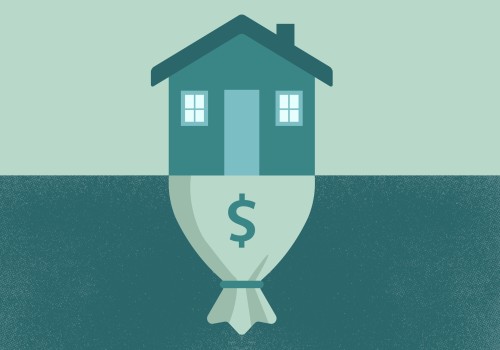
A cash out home loan is a financial tool that allows homeowners to tap into the equity they have built in their property. This type of loan enables borrowers to refinance their existing mortgage while simultaneously withdrawing a portion of their home’s equity in cash. Essentially, it transforms a part of the value of your home into liquid cash, which can be used for various purposes, including purchasing a new house, funding renovations, or consolidating debt. Understanding how cash out home loans work is crucial for potential homebuyers looking to leverage their current assets to secure additional financing.One of the primary benefits of a cash out home loan is the ability to access significant funds without the need for a personal loan or other high-interest borrowing options.
Since these loans are secured by your home, they typically come with lower interest rates compared to unsecured loans. This can make them an attractive option for those who need cash quickly and want to avoid the higher costs associated with other forms of borrowing. Additionally, the interest paid on a cash out home loan may be tax-deductible, further enhancing its financial appeal.Moreover, cash out home loans can provide flexibility in how you use the funds. Whether you’re looking to invest in real estate, cover educational expenses, or make necessary improvements to your current home, this type of financing can serve as a strategic financial move.
However, it’s essential to approach this option with caution; while it offers immediate liquidity, it also increases your mortgage balance and can affect your long-term financial stability if not managed wisely.
Types of Cash Out Home Loans
When considering options for obtaining cash to buy a house, understanding the different types of cash out home loans is crucial. These loans allow homeowners to leverage the equity in their properties to access funds for various purposes, including purchasing a new home. The two primary types of cash out home loans are home equity loans and cash out refinancing .Home Equity Loans
A home equity loan is a second mortgage that allows homeowners to borrow against the equity they have built up in their property. This type of loan typically offers a fixed interest rate and a lump sum payment, which is repaid over a set term.Home equity loans are ideal for those who need a specific amount of cash for a one-time expense, such as home renovations or debt consolidation.
- Advantages:
- Fixed interest rates provide predictable monthly payments.
- Funds can be used for various purposes, including buying another property.
- Disadvantages:
- Requires sufficient equity in the home.
- Failure to repay can lead to foreclosure on the property.
Cash Out Refinancing
Cash out refinancing involves replacing an existing mortgage with a new one that has a higher balance than what is owed on the current loan. The difference between the two amounts is given to the homeowner in cash. This option can be beneficial for those looking to take advantage of lower interest rates or to consolidate debt while accessing cash from their home’s equity.- Advantages:
- Potentially lower interest rates compared to existing mortgages.
- The ability to access larger amounts of cash based on current home value.
- Disadvantages:
- Closing costs can be significant.
- A longer repayment term may increase overall interest paid.
How to Qualify for a Cash Out Home Loan
Qualifying for a cash out home loan involves meeting specific eligibility requirements that lenders set to ensure borrowers can repay the loan.Understanding these criteria is essential for potential borrowers who wish to leverage their home equity for cash.
1.Credit Score Requirements
Your credit score plays a pivotal role in determining your eligibility for a cash out home loan. Most lenders prefer a minimum credit score of 620, although some may offer loans to borrowers with scores as low as 580. A higher credit score not only increases your chances of approval but can also lead to better interest rates and terms. Here’s a breakdown of how credit scores can impact your loan:
- 620-639: Generally considered the minimum threshold for most lenders, but expect higher interest rates.
- 640-699: A fair score that may qualify you for more favorable terms.
- 700 and above: Excellent credit can secure the best rates and terms available.
2.Loan-to-Value Ratio (LTV)
The loan-to-value ratio is another critical factor in qualifying for a cash out home loan.
LTV is calculated by dividing the amount of the loan by the appraised value of the home. Most lenders allow a maximum LTV of 80%, meaning you can borrow up to 80% of your home's equity. For example, if your home is valued at $300,000, you could potentially access $240,000 through a cash out refinance, assuming you have sufficient equity.
3.Debt-to-Income Ratio (DTI)
Your debt-to-income ratio measures how much of your monthly income goes toward debt payments. Lenders typically prefer a DTI ratio below 43%, although some may allow higher ratios depending on other factors like credit score and overall financial health.
A lower DTI indicates that you have more disposable income available to manage additional loan payments.
4.Employment and Income Stability
Lenders will also assess your employment history and income stability. A consistent job history, ideally with the same employer for at least two years, can strengthen your application. Additionally, providing documentation such as pay stubs, tax returns, and bank statements will help demonstrate your ability to repay the loan.
5.Home Equity
To qualify for a cash out home loan, you must have sufficient equity in your home. Equity is calculated as the difference between your home's current market value and any outstanding mortgage balance.
If you have recently purchased your home or have not made significant payments toward your mortgage, you may need to wait until you build enough equity before applying.In summary, qualifying for a cash out home loan requires careful consideration of various factors including credit score, LTV ratio, DTI ratio, employment stability, and available home equity. By understanding these requirements, potential borrowers can better assess their readiness to secure financing for their needs.
The Application Process for Cash Out Home Loans
Applying for a cash out home loan can be a strategic financial move, allowing homeowners to leverage their property’s equity for various needs, such as home improvements, debt consolidation, or other significant expenses. Understanding the application process is crucial to ensure a smooth experience. Here’s a detailed breakdown of the steps involved in applying for a cash out home loan.Step 1: Assess Your Financial Situation
Before diving into the application process, evaluate your current financial standing.Consider your credit score, existing debts, and overall income. A higher credit score can lead to better loan terms, so it’s wise to check your credit report and address any discrepancies beforehand.
Step 2: Determine Your Equity
Your home equity is the difference between your home’s current market value and the remaining balance on your mortgage. To calculate this:- Get an estimate of your home’s value through online tools or a professional appraisal.
- Subtract your mortgage balance from this value to find your available equity.
Step 3: Gather Required Documentation
To streamline the application process, prepare the necessary documents ahead of time. Commonly required documents include:- Proof of Income: Recent pay stubs, W-2 forms, or tax returns.
- Credit History: A report detailing your credit score and history.
- Property Information: Details about your home, including the address and current mortgage statement.
- Debt Information: Documentation of any existing debts or loans.
Step 4: Shop for Lenders
Not all lenders offer the same terms for cash out home loans.It’s essential to shop around and compare interest rates, fees, and loan terms from multiple lenders. Consider both traditional banks and online lenders to find the best deal that suits your financial needs.
Step 5: Submit Your Application
Once you’ve chosen a lender, complete their application form. This may be done online or in person. Be prepared to provide all gathered documentation and answer questions regarding your financial situation and purpose for the cash out loan.Step 6: Undergo the Approval Process
Your lender will review your application and documentation during this phase.They may conduct an appraisal of your property to determine its current market value. This process can take anywhere from a few days to several weeks, depending on the lender's workload and policies.
Step 7: Closing the Loan
If approved, you’ll receive a closing disclosure outlining the final terms of your loan. Review this document carefully before signing. Once everything is agreed upon, you’ll close on the loan, receiving your cash payout shortly thereafter.By following these steps and being well-prepared with documentation, you can navigate the cash out home loan application process with confidence and ease.Pros and Cons of Cash Out Home Loans
When considering a cash out home loan, it’s essential to weigh the advantages and disadvantages carefully.This type of loan allows homeowners to borrow against the equity in their homes, providing them with cash that can be used for various purposes. However, like any financial decision, it comes with its own set of pros and cons.
Advantages of Cash Out Home Loans
- Access to Cash: One of the most significant benefits is the immediate access to cash. Homeowners can use this money for home improvements, debt consolidation, or other financial needs.
- Lower Interest Rates: Cash out home loans often come with lower interest rates compared to personal loans or credit cards, making them a more cost-effective option for borrowing.
- Potential Tax Benefits: In some cases, the interest paid on a cash out refinance may be tax-deductible, which can provide additional financial relief.
- Improved Home Value: Using the funds for home renovations can increase the property’s value, potentially leading to a higher return on investment when selling the home.
Disadvantages of Cash Out Home Loans
- Increased Debt: By borrowing against your home equity, you are increasing your overall debt load. This can lead to financial strain if not managed properly.
- Risk of Foreclosure: If you fail to make payments on your cash out loan, you risk losing your home.
This is a significant concern for many homeowners.
- Closing Costs: Cash out refinancing typically involves closing costs that can add up, reducing the amount of cash you ultimately receive.
- Market Fluctuations: If property values decline, you may owe more than your home is worth, which can complicate future refinancing or selling efforts.
Risks Involved
The risks associated with cash out home loans should not be overlooked. Homeowners must consider their ability to repay the loan and the potential impact on their financial stability. Additionally, market conditions can change rapidly, affecting home values and equity. It’s crucial to conduct thorough research and possibly consult with a financial advisor before proceeding with a cash out refinance.In summary, while cash out home loans offer several advantages such as access to funds and lower interest rates, they also come with significant risks and potential downsides.Homeowners should carefully evaluate their financial situation and long-term goals before making a decision.
Alternatives to Cash Out Home Loans
While cash out home loans can be a viable option for accessing funds, there are several alternatives that may better suit your financial situation or goals. Exploring these options can provide you with the necessary cash to buy a house without the complexities associated with refinancing your mortgage.Personal Loans
One of the most straightforward alternatives to cash out home loans is a personal loan. Personal loans are unsecured loans that can be used for various purposes, including home purchases. Here are some key points to consider:- No collateral required: Unlike home equity loans, personal loans do not require you to put your home at risk, making them a safer option for many borrowers.
- Quick access to funds: Personal loans often have a faster approval process compared to traditional mortgages, allowing you to access cash quickly when you need it.
- Fixed interest rates: Many personal loans come with fixed interest rates, which can help you budget your monthly payments more effectively.
Government Assistance Programs
If you're looking for additional support in purchasing a home, consider exploring government assistance programs.These programs are designed to help first-time homebuyers and those with low to moderate incomes. Some notable options include:
- FHA Loans: The Federal Housing Administration (FHA) offers loans with lower down payment requirements and more lenient credit score criteria, making it easier for buyers to qualify.
- USDA Loans: For those looking to buy in rural areas, USDA loans provide 100% financing options for eligible buyers, which means no down payment is required.
- VA Loans: Veterans and active-duty military members may qualify for VA loans, which offer favorable terms such as no down payment and no private mortgage insurance (PMI).
Using Cash from Other Sources to Buy a House
When it comes to purchasing a home, many buyers immediately think of traditional mortgage loans. However, there are several alternative sources of cash that can be utilized to facilitate a home purchase.Understanding these options can empower you to make informed financial decisions and potentially save on interest costs.
Savings
are often the most straightforward source of cash for buying a house. Whether it's from a dedicated home savings account or general savings, having a substantial amount set aside can significantly reduce the amount you need to borrow. Aim to save at least 20% of the home's purchase price to avoid private mortgage insurance (PMI) and secure better loan terms.Another viable option is receiving gifts from family. Many first-time homebuyers benefit from financial assistance provided by relatives.
If you are considering this route, it’s essential to document the gift properly. Lenders typically require a gift letter stating that the funds are indeed a gift and not a loan that needs to be repaid. This documentation helps ensure that your mortgage application proceeds smoothly.Additionally, retirement accounts can serve as a source of cash for purchasing a home. While it’s generally not advisable to tap into your retirement savings, some plans allow for penalty-free withdrawals or loans for first-time home purchases.
For instance, if you have a 401(k), you may be able to borrow against your balance or withdraw funds without incurring penalties if you meet specific criteria. However, it’s crucial to weigh the long-term implications on your retirement savings before proceeding.Other potential sources include:
- Home Equity: If you already own a property, you might consider leveraging its equity through a cash-out refinance or home equity line of credit (HELOC).
- Grants and Assistance Programs: Various local and state programs offer grants or down payment assistance for eligible buyers, particularly first-time homeowners.
- Side Income: Generating additional income through side jobs or investments can also contribute to your home-buying fund.
Tips for Successfully Using Cash Out Home Loans
Utilizing a cash out home loan can be a strategic financial move, but it requires careful planning and management to ensure that you are making the most of your funds while minimizing potential risks. Here are some practical tips to help you navigate this process effectively:1.Assess Your Financial Situation
Before proceeding with a cash out home loan, take a comprehensive look at your current financial status.This includes:
- Debt Levels: Evaluate all existing debts, including credit cards, student loans, and personal loans. Understanding your total debt load will help you determine how much cash you can afford to take out.
- Income Stability: Ensure that your income is stable and sufficient to cover any new monthly payments that may arise from the cash out loan.
- Credit Score: Check your credit score, as it will impact the interest rates you receive. A higher score can lead to better terms.
2.Create a Detailed Budget
A well-structured budget is essential when using funds from a cash out home loan. Consider the following:- Allocate Funds Wisely: Decide how you will use the cash—whether for home improvements, debt consolidation, or other investments.
Prioritize high-impact areas that will yield the best return on investment.
- Track Expenses: Keep a close eye on your spending to ensure that you stay within your budget. Use budgeting apps or spreadsheets to monitor your financial activities.
- Emergency Fund: Set aside a portion of the cash for unexpected expenses. Having an emergency fund can prevent you from falling back into debt.
3.Manage Debt Responsibly
If part of your plan involves consolidating debt with your cash out home loan, follow these guidelines:- Avoid Accumulating More Debt: After consolidating, resist the temptation to accumulate new debt on credit cards or loans. Focus on paying down existing obligations.
- Make Timely Payments: Ensure that you make all payments on time to avoid penalties and maintain a good credit score.
- Consider Professional Advice: If you're unsure about managing your finances post-loan, consider consulting with a financial advisor who can provide tailored advice based on your situation.
Remember that responsible management of both the loan and any resulting debt is crucial for long-term success.
Frequently Asked Questions about Cash Out Home Loans
When considering a cash out home loan, many potential borrowers have questions and concerns. This section aims to clarify some of the most frequently asked questions and dispel common misconceptions surrounding cash out loans.What is a Cash Out Home Loan?
A cash out home loan allows homeowners to refinance their existing mortgage while borrowing against the equity in their home. This means you can take out a new mortgage for more than you owe on your current one, receiving the difference in cash. This cash can be used for various purposes, such as home renovations, debt consolidation, or other financial needs.How Much Cash Can I Get from a Cash Out Loan?
The amount of cash you can receive depends on several factors, including your home’s current value, how much equity you have built up, and the lender's policies.Generally, lenders allow you to borrow up to 80% of your home’s appraised value minus what you owe on your existing mortgage.
Are There Any Risks Involved?
Yes, there are risks associated with cash out loans. By borrowing against your home’s equity, you increase your mortgage balance and may face higher monthly payments. Additionally, if property values decline, you could end up owing more than your home is worth. It’s crucial to assess your financial situation and ensure that taking out a cash loan aligns with your long-term goals.Can I Use Cash from a Cash Out Loan for Any Purpose?
Absolutely! The funds from a cash out loan can be used for various purposes, including:- Home improvements or renovations
- Debt consolidation
- Education expenses
- Emergency funds
- Investments
Will a Cash Out Loan Affect My Credit Score?
A cash out loan can impact your credit score in several ways.Initially, applying for a new loan may result in a hard inquiry on your credit report, which can temporarily lower your score. However, if you manage the new loan responsibly by making timely payments, it can positively affect your credit score over time.
What Are Common Misconceptions About Cash Out Loans?
- Misconception 1: You must have perfect credit to qualify.
- Misconception 2: Cash out loans are only for emergencies.
- Misconception 3: You will lose your home if you take out a cash loan.
Conclusion: Making Informed Decisions About Cash Out Home Loans
In conclusion, navigating the world of cash out home loans requires a thorough understanding of your financial situation and the implications of such a decision. Throughout this guide, we have explored various aspects of cash out home loans, including their benefits, potential drawbacks, and the different options available to homeowners. It is crucial to weigh these factors carefully before proceeding.One of the primary advantages of a cash out home loan is the ability to access funds for significant expenses, such as home renovations, debt consolidation, or even investing in other opportunities.However, it is essential to remember that this type of loan increases your mortgage balance and may lead to higher monthly payments. Therefore, assessing your current financial health and future goals is vital.Additionally, understanding the terms and conditions associated with cash out home loans can help you avoid pitfalls. Interest rates, fees, and repayment terms can vary significantly between lenders. It is advisable to shop around and compare offers from multiple financial institutions to ensure you secure the best deal possible.Moreover, consider consulting with a financial advisor or mortgage specialist who can provide personalized guidance based on your unique circumstances.
They can help you evaluate whether a cash out home loan aligns with your long-term financial strategy.Ultimately, making informed decisions about cash out home loans involves careful consideration of your current needs and future aspirations. By taking the time to research and understand your options, you can make a choice that supports your financial well-being and helps you achieve your goals.