Gregory House, the enigmatic protagonist of the acclaimed medical drama House M. D., is not just a brilliant diagnostician; he is also a character whose financial decisions often reflect his complex personality. Throughout the series, House's interactions with money reveal much about his character and motivations. His tendency to borrow money raises intriguing questions about his financial acumen and the psychological factors that drive him to seek funds from external sources.
This behavior can be linked to various aspects of his life, including his tumultuous relationships, his struggle with chronic pain, and his overarching need for control in an unpredictable world.One of the most compelling financial strategies that House employs is the concept of a cash out home loan. This financial tool allows homeowners to leverage their property’s equity to access cash for various needs, whether it be for personal expenses, investments, or even medical bills. For House, who often finds himself in precarious situations—both personally and professionally—borrowing against his home could serve as a lifeline. It provides him with immediate liquidity while simultaneously reflecting his complicated relationship with stability and risk.As we delve deeper into House's financial behaviors, it becomes essential to consider how these decisions mirror broader themes of dependency and autonomy.
The act of borrowing money can signify a lack of control or an attempt to regain it through financial means. In House's case, this duality is particularly pronounced; he oscillates between moments of profound independence and instances where he relies heavily on others—be it friends or financial institutions. Understanding this dynamic not only sheds light on House's character but also invites viewers to reflect on their own financial choices and the underlying motivations that drive them.
The Concept of Cash Out Home Loans
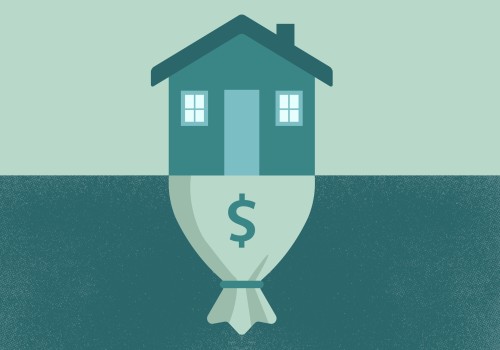
A cash out home loan is a financial strategy that allows homeowners to access the equity they have built up in their property. This type of loan enables borrowers to refinance their existing mortgage while simultaneously taking out additional funds based on the current value of their home.Essentially, it transforms a portion of the home’s equity into cash, which can be used for various purposes.To understand how a cash out home loan works, it’s important to grasp the concept of home equity. Home equity is the difference between the market value of a home and the outstanding balance on any mortgages secured against it. For example, if a homeowner's property is valued at $300,000 and they owe $200,000 on their mortgage, their equity stands at $100,000. A cash out refinance might allow them to borrow up to 80% of their home's value, which could provide them with $40,000 in cash after paying off the existing mortgage.
Benefits of Cash Out Home Loans
- Access to Funds: Homeowners can use the cash for various needs such as home renovations, debt consolidation, or even funding education.
- Lower Interest Rates: Cash out loans often come with lower interest rates compared to personal loans or credit cards, making them a more affordable option for borrowing.
- Tax Benefits: In some cases, the interest paid on a cash out refinance may be tax-deductible if the funds are used for home improvements.
Risks Involved
- Increased Debt: By borrowing against their home equity, homeowners increase their overall debt load, which can lead to financial strain if not managed properly.
- Risk of Foreclosure: If homeowners fail to make payments on their new mortgage, they risk losing their home through foreclosure.
- Market Fluctuations: If property values decline, homeowners may find themselves owing more than their home is worth, leading to potential financial difficulties.
Understanding this financial tool is crucial for making informed decisions about leveraging home equity effectively.
House's Character: A Reflection of Financial Struggles
Dr. Gregory House, the titular character of the acclaimed series House M. D., is a complex figure whose personality traits often mirror the financial struggles that many individuals face. His genius-level intellect, coupled with a profound misanthropy, creates a unique lens through which we can examine his tendency to borrow money.Understanding these characteristics can shed light on why House frequently finds himself in precarious financial situations.At the core of House's character is his extraordinary intelligence. He possesses an unparalleled ability to diagnose rare diseases and solve intricate medical puzzles. However, this brilliance comes with a price. House's genius isolates him from his peers and society at large, leading to a deep-seated sense of loneliness and frustration.
This isolation can drive individuals to seek financial assistance as a means of coping with their emotional turmoil. For House, borrowing money may serve as a temporary escape from the burdens of his intellect and the expectations that accompany it.Moreover, House's misanthropy plays a significant role in his financial behavior. His disdain for social norms and relationships often leads him to make impulsive decisions, including financial ones. He tends to view money as a tool for immediate gratification rather than a long-term asset.
This perspective can result in frequent borrowing, as he prioritizes short-term needs over sustainable financial planning.Additionally, House's character is marked by a rebellious streak that manifests in various aspects of his life, including his finances. He often disregards authority and conventional wisdom, which can lead to risky financial choices. This rebellious nature may compel him to borrow money without fully considering the consequences, further entrenching him in cycles of debt.In conclusion, Dr. Gregory House's character serves as a poignant reflection of the complexities surrounding financial struggles.
His genius intellect and misanthropic tendencies create a perfect storm for borrowing money, illustrating how personal traits can significantly influence financial behavior. By examining House's character through this lens, we gain valuable insights into the psychological factors that contribute to financial decision-making.
The Psychological Factors Behind Borrowing Money
Understanding the psychological factors that drive individuals to borrow money is crucial in analyzing the financial behavior of characters like Gregory House. The act of borrowing, particularly through mechanisms such as a cash out home loan, often transcends mere financial necessity; it is deeply intertwined with emotional and psychological influences.One significant aspect is the concept of financial anxiety. Many individuals experience stress related to their financial situations, which can lead to impulsive borrowing decisions.For House, whose life is marked by instability and pain, the need for immediate financial relief may stem from a desire to alleviate this anxiety. This behavior can be seen as a coping mechanism, where borrowing money provides a temporary escape from underlying emotional turmoil.Additionally, past experiences play a pivotal role in shaping one’s financial behavior. House's tumultuous childhood, characterized by frequent relocations and emotional upheaval, likely instilled in him a sense of insecurity. This background can lead to a pattern of seeking external validation or stability through financial means.
Borrowing money may serve as a way to regain control over his life, even if only momentarily.Moreover, the psychology of instant gratification cannot be overlooked. In a world where immediate rewards are often prioritized over long-term stability, individuals may find themselves drawn to borrowing as a quick solution to their problems. House’s character often exhibits impulsive tendencies; thus, his inclination to take out loans could reflect a broader societal trend where the allure of instant financial relief overshadows the potential long-term consequences.Lastly, social influences and peer pressure can also contribute to borrowing behaviors. In House's case, his relationships with colleagues and friends may create an environment where financial discussions are frequent and sometimes competitive.
This dynamic can lead to feelings of inadequacy or the need to keep up with others financially, prompting him to borrow more than he might need.In conclusion, the psychological factors behind borrowing money are complex and multifaceted. For individuals like House, emotional distress, past experiences, the desire for instant gratification, and social pressures all intertwine to influence their financial decisions. Understanding these elements is essential for comprehending why someone might resort to mechanisms like a cash out home loan, revealing deeper insights into their character and motivations.
Economic Implications of House's Financial Choices
Understanding the economic implications of borrowing money, particularly in the context of home loans, reveals a complex interplay between individual financial decisions and broader economic trends. When a character like Gregory House borrows money, it serves as a microcosm of larger economic behaviors that can influence market dynamics.One significant aspect to consider is the wealth effect.This phenomenon occurs when individuals feel wealthier due to rising asset values, such as real estate. As home prices increase, homeowners often perceive their net worth to be higher, which can lead them to borrow more against their homes. This borrowing can take the form of a cash out home loan, where homeowners refinance their existing mortgage to access equity for various purposes, such as funding personal projects or consolidating debt.However, this behavior can have broader economic implications. Increased borrowing can stimulate consumer spending, which is a critical driver of economic growth.
When homeowners take out loans against their property, they often use these funds to purchase goods and services, thereby injecting liquidity into the economy. This cycle can lead to a temporary boost in economic activity, but it also raises concerns about sustainability.As House's character illustrates, the decision to borrow money is not without risks. If house prices decline, homeowners who have borrowed against their equity may find themselves in precarious financial situations. This scenario can lead to negative equity, where the amount owed on the mortgage exceeds the home's market value.
Such situations can trigger foreclosures and contribute to broader economic downturns.Moreover, fluctuations in house prices can significantly impact consumer confidence. When prices rise, people are more likely to invest in real estate and take on debt; conversely, falling prices can lead to a contraction in borrowing and spending. This cyclical nature of borrowing and house prices underscores the importance of understanding how individual financial choices resonate within the larger economy.In conclusion, House's frequent borrowing reflects not only personal motivations but also highlights critical economic principles. The relationship between house prices , borrowing behavior, and wealth effects illustrates how individual actions can ripple through the economy, influencing everything from consumer confidence to overall economic stability.
Case Studies: Instances of House Borrowing Money
Throughout the series House M.D.
, Dr. Gregory House's financial decisions often reflect his complex personality and the underlying themes of desperation and resourcefulness. Several episodes highlight instances where House borrows money or engages in questionable financial practices, revealing his complicated relationship with wealth and debt.One notable example occurs in the episode titled "All In" (Season 5, Episode 20). In this episode, House finds himself in a precarious situation when he needs to fund an experimental treatment for a patient.Rather than seeking traditional funding or relying on hospital resources, House resorts to borrowing money from his team. This decision not only showcases his impulsive nature but also emphasizes his willingness to gamble on unproven medical interventions, reflecting a deeper need to assert control over his circumstances.Another significant instance is found in the episode "The Mistake" (Season 6, Episode 1). Here, House's financial choices are driven by his desire to maintain a semblance of normalcy despite his ongoing struggles with addiction and personal issues. He borrows money to fund a lavish lifestyle that includes expensive gadgets and luxury items, which ultimately leads to further complications in his relationships with colleagues and friends.
This behavior illustrates how House often uses financial means as a coping mechanism, attempting to fill emotional voids through material possessions.In the episode "Nobody's Fault" (Season 6, Episode 22), House's borrowing habits take a darker turn when he finds himself in legal trouble due to unpaid debts. His inability to manage finances effectively not only jeopardizes his career but also strains his relationships with those around him. This situation serves as a critical turning point for House, forcing him to confront the consequences of his actions and the impact of financial irresponsibility on his life.These case studies from House M. D. illustrate that House's borrowing habits are not merely about financial transactions; they are deeply intertwined with his psychological struggles and character development.
Each instance of borrowing money serves as a reflection of his internal conflicts, showcasing how financial decisions can be both a symptom of deeper issues and a catalyst for personal growth.
Alternatives to Cash Out Home Loans for Homeowners
For homeowners seeking financial flexibility without resorting to a cash out home loan, there are several viable alternatives worth considering. Each option comes with its own set of advantages and potential drawbacks, making it essential for homeowners to evaluate their unique financial situations before making a decision.1.Home Equity Line of Credit (HELOC)
A Home Equity Line of Credit (HELOC) allows homeowners to borrow against the equity in their home. This revolving line of credit functions similarly to a credit card, where you can withdraw funds as needed up to a predetermined limit. The flexibility of a HELOC makes it an attractive option for those who may not need a lump sum but prefer access to funds over time.Interest rates are typically lower than personal loans, and you only pay interest on the amount you draw.
2.Home Equity Loan
Unlike a HELOC, a home equity loan provides a one-time lump sum payment based on the equity in your home. This type of loan usually comes with fixed interest rates and predictable monthly payments, making it easier for homeowners to budget. It’s an excellent choice for those who have a specific project in mind, such as home renovations or debt consolidation.3.Personal Loans
If you prefer not to leverage your home, personal loans can be an effective alternative. These unsecured loans can be used for various purposes, including home improvements or unexpected expenses.While interest rates may be higher than secured loans, they offer the advantage of not putting your home at risk.
4.Refinancing Your Mortgage
Refinancing
your existing mortgage can also provide financial relief. By securing a lower interest rate or extending the loan term, homeowners can reduce their monthly payments and free up cash flow. Additionally, some refinancing options allow for cash-out refinancing, which combines the benefits of refinancing with access to cash from your home’s equity.
5.Government Assistance Programs
Homeowners facing financial difficulties may also explore government assistance programs. Various federal and state programs offer support for mortgage payments or provide grants for home repairs.Researching these options can uncover resources that may alleviate financial burdens without incurring additional debt.In conclusion, while cash out home loans are popular among homeowners looking to access their equity, numerous alternatives exist that can provide similar benefits without the associated risks. By carefully considering these options and consulting with financial advisors, homeowners can make informed decisions that align with their long-term financial goals.
FAQs About Cash Out Home Loans and Borrowing Money
When considering a cash out home loan, many homeowners have questions about the process, benefits, and potential pitfalls. Here are some frequently asked questions that can help clarify common concerns.What is a cash out home loan?
A cash out home loan allows homeowners to refinance their existing mortgage while borrowing additional funds against the equity in their home. This means you can access cash for various purposes, such as home improvements, debt consolidation, or other financial needs.How does the cash out process work?
The process typically involves applying for a new mortgage that is larger than your current one.The difference between the two amounts is given to you in cash at closing. For example, if your home is worth $300,000 and you owe $200,000 on your mortgage, you might refinance for $250,000 and receive $50,000 in cash.
What are the benefits of a cash out home loan?
- Access to funds: It provides immediate access to cash that can be used for various purposes.
- Lower interest rates: If current mortgage rates are lower than your existing rate, refinancing can save you money on interest.
- Tax benefits: Interest on mortgage loans may be tax-deductible, which can provide additional savings.
Are there any risks involved?
Yes, there are risks associated with cash out home loans. Borrowing against your home increases your debt and can lead to foreclosure if you cannot make payments. Additionally, if property values decline, you may owe more than your home is worth.How much equity do I need to qualify?
Most lenders require homeowners to maintain at least 20% equity in their homes after the cash-out refinance.This means that if your home is valued at $300,000, you should ideally owe no more than $240,000 on your mortgage.
Can I use a cash out loan for anything?
While you can use the funds for various purposes such as home renovations or paying off high-interest debt, it’s essential to use the money wisely. Avoid using it for non-essential expenses that could lead to further financial strain.Understanding these aspects of cash out home loans can help homeowners make informed decisions about borrowing money against their property. Always consult with a financial advisor or mortgage professional before proceeding with a cash-out refinance to ensure it aligns with your financial goals.Conclusion: Lessons from House's Financial Journey
In examining the financial behaviors of Gregory House, we uncover a complex interplay between his personal choices and the broader implications of borrowing money. Throughout the series, House's tendency to borrow money reflects not only his immediate needs but also a deeper psychological struggle.His reliance on financial assistance, particularly through mechanisms like a cash out home loan, serves as a metaphor for his attempts to manage pain—both physical and emotional.One of the most significant lessons from House's financial journey is the importance of understanding the motivations behind borrowing. While House often resorts to loans as a quick fix for his problems, this behavior can lead to a cycle of debt that is difficult to escape. Homeowners considering a cash out home loan should reflect on their own motivations and ensure that they are making informed decisions rather than impulsive ones.Moreover, House's character illustrates the risks associated with leveraging assets without a clear plan for repayment. A cash out home loan can provide immediate liquidity, but it also increases financial vulnerability if not managed wisely.
Homeowners must weigh the benefits against potential long-term consequences, such as increased monthly payments and the risk of foreclosure.Additionally, House's interactions with his friends and colleagues highlight the importance of seeking support when facing financial challenges. Just as he often relies on Dr. Wilson for emotional support, homeowners should consider consulting financial advisors or trusted friends when navigating complex financial decisions.Ultimately, House's financial behavior serves as a cautionary tale about the dangers of borrowing without foresight. By learning from his experiences, individuals can approach their own financial situations with greater awareness and responsibility.
Whether considering a cash out home loan or any other form of borrowing, it is crucial to evaluate one's needs, seek advice, and develop a sustainable plan for managing debt.