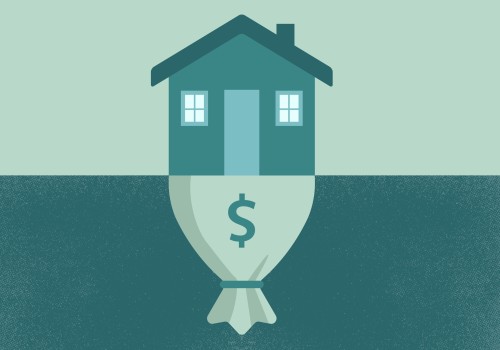
In today's financial landscape, homeowners are presented with a variety of options to manage their finances effectively. Understanding these options is crucial, especially when it comes to leveraging the value of your home. Two popular methods that often come into play are refinancing and cash out home loans. Each of these strategies serves distinct purposes and can significantly impact your financial situation, making it essential to grasp their differences and benefits.Refinancing typically involves replacing your existing mortgage with a new one, often at a lower interest rate or with different terms.
This can lead to reduced monthly payments or a shorter loan term, ultimately saving you money over time. On the other hand, a cash-out refinance allows you to tap into your home’s equity by taking out a larger mortgage than what you currently owe. The difference is given to you in cash, which can be used for various purposes such as home improvements, debt consolidation, or even funding major life events.As homeowners consider their financial strategies, it’s vital to evaluate how these options align with their long-term goals. For instance, while a cash-out refinance can provide immediate funds, it may also increase your overall debt and monthly payments.
Conversely, traditional refinancing might offer savings but won’t provide the liquidity that a cash-out option does. By understanding the nuances of these financing methods, homeowners can make informed decisions that best suit their financial needs.In this article, we will delve deeper into the mechanics of refinancing and cash-out loans, exploring their advantages and disadvantages. We will also discuss how home equity plays a pivotal role in these processes and what factors to consider when choosing the right option for your financial future.
What is Refinancing?
Refinancing is a financial strategy that allows homeowners to replace their existing mortgage with a new one, often with different terms. The primary goal of refinancing is to secure better loan conditions, which can lead to lower monthly payments, reduced interest rates, or access to cash through home equity.Understanding the nuances of refinancing can empower homeowners to make informed decisions that align with their financial goals.There are several types of refinancing options available, each catering to different needs:
- Rate-and-Term Refinance: This is the most common type of refinancing. It involves changing the interest rate and/or the term length of the existing mortgage without altering the loan amount. Homeowners typically pursue this option to take advantage of lower interest rates, which can significantly reduce monthly payments and overall interest costs over the life of the loan.
- Cash-Out Refinance: Unlike rate-and-term refinancing, a cash-out refinance allows homeowners to borrow more than they currently owe on their mortgage. The difference is given to them in cash, which can be used for various purposes such as home improvements, debt consolidation, or other financial needs.
This option taps into the equity built up in the home.
- Streamline Refinance: Designed for government-backed loans like FHA or VA loans, streamline refinancing simplifies the process by reducing documentation requirements and often waiving the need for an appraisal. This option is ideal for homeowners looking to lower their interest rates quickly and with minimal hassle.
- Adjustable-Rate Mortgage (ARM) Refinance: Homeowners with an existing ARM may choose to refinance into a fixed-rate mortgage or another ARM with different terms. This can help stabilize monthly payments if they anticipate rising interest rates in the future.
Additionally, refinancing can provide a chance to switch from an adjustable-rate mortgage to a fixed-rate mortgage, offering more predictability in budgeting.However, it’s essential for homeowners to consider potential drawbacks as well. Refinancing typically involves closing costs and fees that can offset some of the savings gained from lower interest rates. Therefore, it’s crucial to evaluate whether the long-term benefits outweigh these initial costs.In summary, refinancing is a versatile financial tool that can help homeowners optimize their mortgage situation. By understanding the various types of refinancing options available and their respective benefits and drawbacks, homeowners can make strategic decisions that enhance their financial well-being.
What is a Cash-Out Refinance?
A cash-out refinance is a financial strategy that allows homeowners to tap into the equity they have built in their property.Unlike a traditional refinance, which typically aims to lower your interest rate or change the terms of your existing mortgage, a cash-out refinance enables you to borrow more than what you currently owe on your home. The difference between the new loan amount and your existing mortgage balance is disbursed to you in cash, which can be used for various purposes.To better understand how a cash-out refinance works, consider this: if your home is valued at $300,000 and you owe $200,000 on your mortgage, you may be able to refinance for $250,000. After paying off the original loan, you would receive $50,000 in cash. This cash can be utilized for home improvements, debt consolidation, education expenses, or any other financial needs.
Benefits of Cash-Out Refinancing
- Access to Funds: One of the primary advantages of a cash-out refinance is the ability to access significant funds without taking on high-interest debt like personal loans or credit cards.
- Lower Interest Rates: Cash-out refinances often come with lower interest rates compared to unsecured loans, making them a more cost-effective option for borrowing.
- Tax Benefits: In some cases, the interest paid on a cash-out refinance may be tax-deductible if the funds are used for home improvements or other qualifying expenses.
- Debt Consolidation: Homeowners can use the cash obtained from refinancing to pay off high-interest debts, potentially saving money on interest payments over time.
- Application: Start by applying with a lender who offers cash-out refinancing options.
You will need to provide financial documentation and details about your property.
- Home Appraisal: The lender will likely require an appraisal to determine your home's current market value and assess how much equity you have available.
- Loan Approval: Once your application is reviewed and the appraisal is completed, the lender will decide whether to approve your loan and under what terms.
- Closing: If approved, you will go through a closing process similar to when you first purchased your home. This includes signing documents and paying any associated fees.
Key Differences Between Refinancing and Cash-Out Refinancing
When considering your options for managing your mortgage, it’s essential to understand the distinctions between traditional refinancing and cash-out refinancing. Both methods can help homeowners adjust their financial situations, but they serve different purposes and come with unique implications.Purpose
: The primary goal of traditional refinancing is to secure a lower interest rate or change the terms of your existing mortgage.
Homeowners often pursue this option to reduce monthly payments or shorten the loan term, ultimately saving money on interest over time. In contrast, cash-out refinancing allows homeowners to tap into their home equity by taking out a new mortgage that exceeds the amount owed on the existing loan. This excess cash can be used for various purposes, such as home improvements, debt consolidation, or other significant expenses.
Costs
: Both refinancing options come with associated costs, but they differ significantly. Traditional refinancing typically involves lower fees since the focus is on adjusting the loan terms rather than extracting equity.
However, cash-out refinancing often incurs higher closing costs due to the increased risk for lenders and the larger loan amount. Homeowners should carefully evaluate these costs against potential benefits before proceeding.
Risks
: With traditional refinancing, the primary risk lies in market fluctuations; if interest rates rise after refinancing, homeowners may miss out on potential savings. On the other hand, cash-out refinancing carries additional risks. By increasing the mortgage balance, homeowners may find themselves in a precarious financial position if property values decline or if they face difficulties making higher monthly payments.
Potential Benefits
: Traditional refinancing can lead to significant long-term savings through lower interest rates and reduced monthly payments.
It’s an excellent option for those looking to improve their financial health without taking on additional debt. Conversely, cash-out refinancing can provide immediate access to funds that can be strategically used to enhance property value or pay off high-interest debts, potentially leading to improved financial stability in the long run.In summary, while both traditional refinancing and cash-out refinancing offer valuable opportunities for homeowners, understanding their key differences is crucial. Evaluating your financial goals and circumstances will help you determine which option aligns best with your needs.
When to Choose Cash-Out Refinancing
Cash-out refinancing can be a strategic financial move for homeowners looking to leverage their home equity. Understanding when to utilize this option is crucial for maximizing its benefits.Here are several scenarios where cash-out refinancing may be the most advantageous choice:
- Debt Consolidation: One of the most common reasons homeowners opt for cash-out refinancing is to consolidate high-interest debt. By using the cash obtained from refinancing, you can pay off credit cards or personal loans that typically carry higher interest rates. This not only simplifies your monthly payments but can also save you money in interest over time.
- Home Improvements: Investing in home renovations can significantly increase your property’s value. Whether it’s a kitchen remodel, bathroom upgrade, or adding an extra room, cash-out refinancing provides the funds needed for these projects.
Not only do these improvements enhance your living space, but they can also yield a substantial return on investment when you decide to sell your home.
- Emergency Expenses: Life is unpredictable, and unexpected expenses can arise at any moment. Whether it’s medical bills, car repairs, or other urgent financial needs, having access to cash through a cash-out refinance can provide peace of mind. This option allows you to tap into your home equity without resorting to high-interest loans or credit cards.
- Education Costs: Higher education can be a significant financial burden. If you’re looking to fund your own education or that of a family member, cash-out refinancing can provide the necessary funds at a lower interest rate compared to student loans.
This approach allows you to invest in education while potentially benefiting from tax deductions on mortgage interest.
- Investment Opportunities: If you have a keen eye for investment, using cash from a refinance to invest in real estate or other ventures can be a smart move. The potential returns on investments may outweigh the costs associated with refinancing, making it a viable option for those looking to grow their wealth.
Potential Risks and Considerations of Cash-Out Refinancing
While cash-out refinancing can provide immediate financial relief and access to funds, it is essential to consider the potential risks and implications that come with this option.Understanding these factors can help homeowners make informed decisions that align with their long-term financial goals.
Increased Debt Load
One of the most significant risks associated with cash-out refinancing is the potential for an increased debt load. When you refinance your mortgage to take out cash, you are essentially increasing the total amount you owe on your home. This can lead to higher monthly payments, which may strain your budget. If you are already managing other debts, adding a larger mortgage payment could create financial stress.
Interest Rates
Another critical consideration is the interest rate associated with a cash-out refinance.
Typically, these loans come with higher interest rates compared to traditional rate-and-term refinances. This increase in interest can significantly affect the overall cost of borrowing. Homeowners should carefully evaluate whether the benefits of accessing cash outweigh the additional costs incurred due to higher interest rates.
Impact on Home Equity
Cash-out refinancing reduces the equity you have built in your home. Home equity is a valuable asset that can provide financial security and options in the future.
By taking cash out, you may limit your ability to leverage that equity for future needs, such as home improvements or emergencies. Additionally, if property values decline, you could find yourself in a situation where you owe more than your home is worth, known as being "underwater" on your mortgage.
Long-Term Financial Implications
It’s crucial to consider the long-term financial implications of cash-out refinancing. While it may provide immediate access to funds, it can also extend the duration of your mortgage and increase the total interest paid over time. Homeowners should assess their financial situation and future plans before committing to this option.
Conclusion
In summary, while cash-out refinancing can be a useful tool for accessing funds, it comes with several risks and considerations that must be carefully weighed.
Increased debt load, higher interest rates, reduced home equity, and long-term financial implications are all factors that should be taken into account. Homeowners are encouraged to consult with financial advisors or mortgage professionals to fully understand their options and make decisions that best suit their financial circumstances.
Alternatives to Cash-Out Refinancing
When considering ways to access the equity in your home, it’s essential to explore various options beyond cash-out refinancing. Two popular alternatives are home equity loans and Home Equity Lines of Credit (HELOC). Each of these options has its unique features, benefits, and drawbacks that can significantly impact your financial situation.Home Equity Loans
A home equity loan allows you to borrow a lump sum of money against the equity you have built in your home.This type of loan typically comes with a fixed interest rate and a set repayment term, making it easier to budget for monthly payments. Here are some key points to consider:
- Fixed Amount: You receive a one-time payment, which can be beneficial for large expenses such as home renovations or debt consolidation.
- Predictable Payments: With fixed interest rates, your monthly payments remain consistent throughout the loan term, providing stability in your financial planning.
- Closing Costs: Home equity loans may involve closing costs similar to those of a traditional mortgage, which can add to the overall expense.
Home Equity Lines of Credit (HELOC)
A HELOC functions more like a credit card, allowing you to borrow against your home’s equity as needed. It typically features a variable interest rate and offers flexibility in borrowing. Here are some advantages and considerations:- Flexible Access: You can withdraw funds as needed during the draw period, making it ideal for ongoing expenses or emergencies.
- Interest-Only Payments: During the draw period, you may only need to make interest payments, which can lower your initial financial burden.
- Variable Rates: The interest rate can fluctuate over time, potentially leading to higher payments if rates increase.
Comparing Options
When deciding between cash-out refinancing, home equity loans, and HELOCs, consider the following factors:- Purpose of Funds: If you need a large sum for a specific project, a home equity loan might be more suitable.
For ongoing expenses or emergencies, a HELOC could provide better flexibility.
- Interest Rates: Compare the interest rates of each option. Cash-out refinancing may offer lower rates than personal loans but could be higher than home equity loans or HELOCs.
- Repayment Terms: Evaluate how each option fits into your long-term financial strategy. Fixed payments from home equity loans provide predictability, while HELOCs offer flexibility but with potential variability in payments.
Frequently Asked Questions (FAQs)
When considering a cash out home loan or refinancing options, many borrowers have questions that can significantly impact their financial decisions.Below are some frequently asked questions that can help clarify the differences and benefits of each option.
What is a cash-out refinance?
A cash-out refinance is a type of mortgage refinancing that allows homeowners to take out a new loan for more than they currently owe on their existing mortgage. The difference between the new loan amount and the old mortgage balance is given to the homeowner in cash. This cash can be used for various purposes, such as home improvements, debt consolidation, or other financial needs.How does cash-out refinancing differ from traditional refinancing?
Traditional refinancing, often referred to as rate-and-term refinancing, involves replacing your existing mortgage with a new one that has different terms, such as a lower interest rate or a different loan duration. Unlike cash-out refinancing, traditional refinancing does not provide any cash to the homeowner; instead, it focuses solely on improving the loan's terms.What are the benefits of a cash-out refinance?
- Access to Cash: Homeowners can access significant funds by tapping into their home equity.
- Lower Interest Rates: Cash-out refinances typically offer lower interest rates compared to personal loans or credit cards.
- Debt Consolidation: The funds can be used to pay off high-interest debts, potentially saving money on interest payments.
- Home Improvements: Homeowners can invest in renovations that may increase their property value.
Are there any risks associated with cash-out refinancing?
Yes, while there are benefits, there are also risks involved.By increasing your mortgage balance, you may be putting your home at risk if you cannot keep up with payments. Additionally, cash-out refinances often come with higher fees and closing costs compared to traditional refinancing options.
Can I use a cash-out refinance for anything?
While you can use the funds from a cash-out refinance for various purposes, it’s essential to use them wisely. Common uses include:- Home renovations
- Debt consolidation
- Education expenses
- Emergency funds
How does my credit score affect my ability to get a cash-out refinance?
Your credit score plays a significant role in determining your eligibility for a cash-out refinance. Lenders typically prefer borrowers with higher credit scores as they represent lower risk.A good credit score can also help secure better interest rates and terms.If you're considering either option, it's advisable to consult with a financial advisor or mortgage professional who can provide personalized guidance based on your unique financial situation.
Conclusion: Making an Informed Decision on Home Financing
In conclusion, navigating the world of home financing can be complex, especially when considering options like refinancing and cash-out loans. Understanding the distinctions between these two approaches is crucial for homeowners looking to leverage their home equity effectively.Refinancing typically focuses on adjusting the terms of your existing mortgage, which can lead to lower monthly payments or a reduced interest rate. This option is particularly beneficial for those who want to save money over the life of their loan without extracting any cash from their home. On the other hand, a cash-out home loan allows homeowners to tap into their home equity, providing them with liquid cash that can be used for various purposes, such as home improvements, debt consolidation, or unexpected expenses.When considering a cash-out refinance, it’s essential to weigh the potential benefits against the costs.While this option can offer lower interest rates compared to personal loans or credit cards, it often comes with additional fees and a higher overall loan amount. Homeowners should also be aware of the implications for their tax situation, as cash-out refinances may limit certain deductions.Ultimately, the decision between refinancing and opting for a cash-out loan should be based on individual financial goals and circumstances. Here are some key points to consider:
- Financial Goals: Determine whether your primary aim is to lower monthly payments or access cash.
- Interest Rates: Compare current mortgage rates and potential savings from refinancing versus the costs associated with a cash-out option.
- Long-Term Impact: Consider how each option will affect your financial situation in the long run, including your debt-to-income ratio and overall equity in your home.
- Consult Professionals: Engaging with financial advisors or mortgage professionals can provide personalized insights tailored to your unique situation.